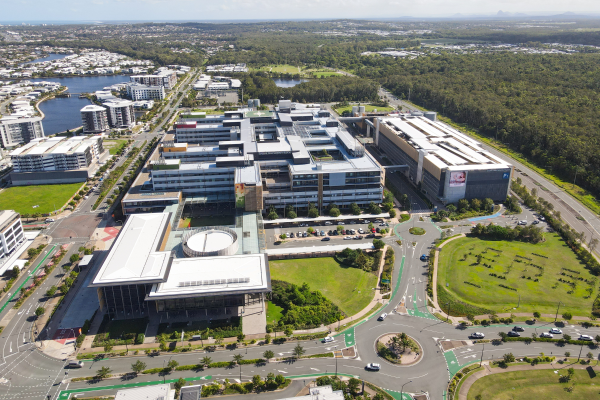
Melbourne student life hits differently when your accommodation actually works for you. The right place can shape your budget, your friendships, your study flow, and even how much fun you have in the city. In this guide, we’ll break down the best suburbs, prices, and tips for landing a spot that feels like home.
Let’s dive in:
Why Melbourne is a great spot for students
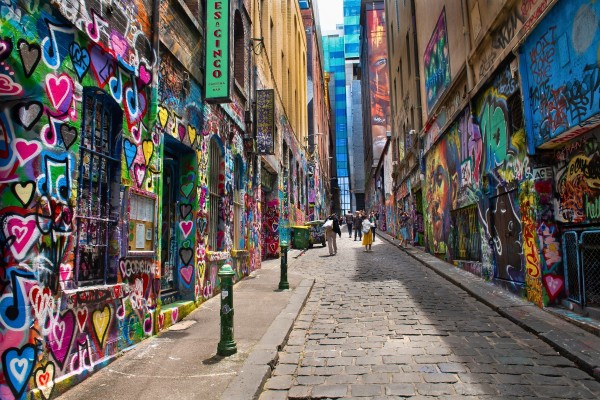
Melbourne is a bit of a student magnet. With world-class unis and an inner-city buzz that’s recognised nationwide, it’s no wonder students from across Australia (and around the world) land here every year. The city is vibrant, welcoming and built for student life. Think late-night eats, iconic laneways, brilliant public transport, and coffee shops on every corner.
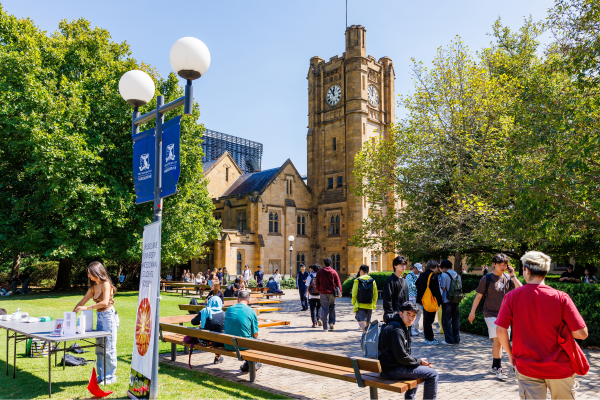
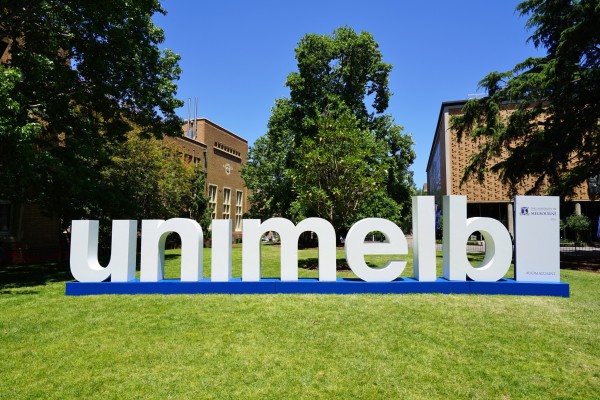
Melbourne is home to globally recognised tertiary institutions. In fact, the University of Melbourne comes in at number 37 globally. Monash University follows close behind at number 58, and Deakin, La Trobe, RMIT and Swinburne also made the list, placing within the top 300 universities worldwide.
And on the matter of student accommodation, Melbourne has one of Australia’s most established student housing networks. Victoria currently accounts for nearly 44,000 student-accommodation beds (more than any other state), with another 29,000 in the pipeline. To give context, there are roughly just 144,000 student beds across the country.
Top 10 Universities in Melbourne
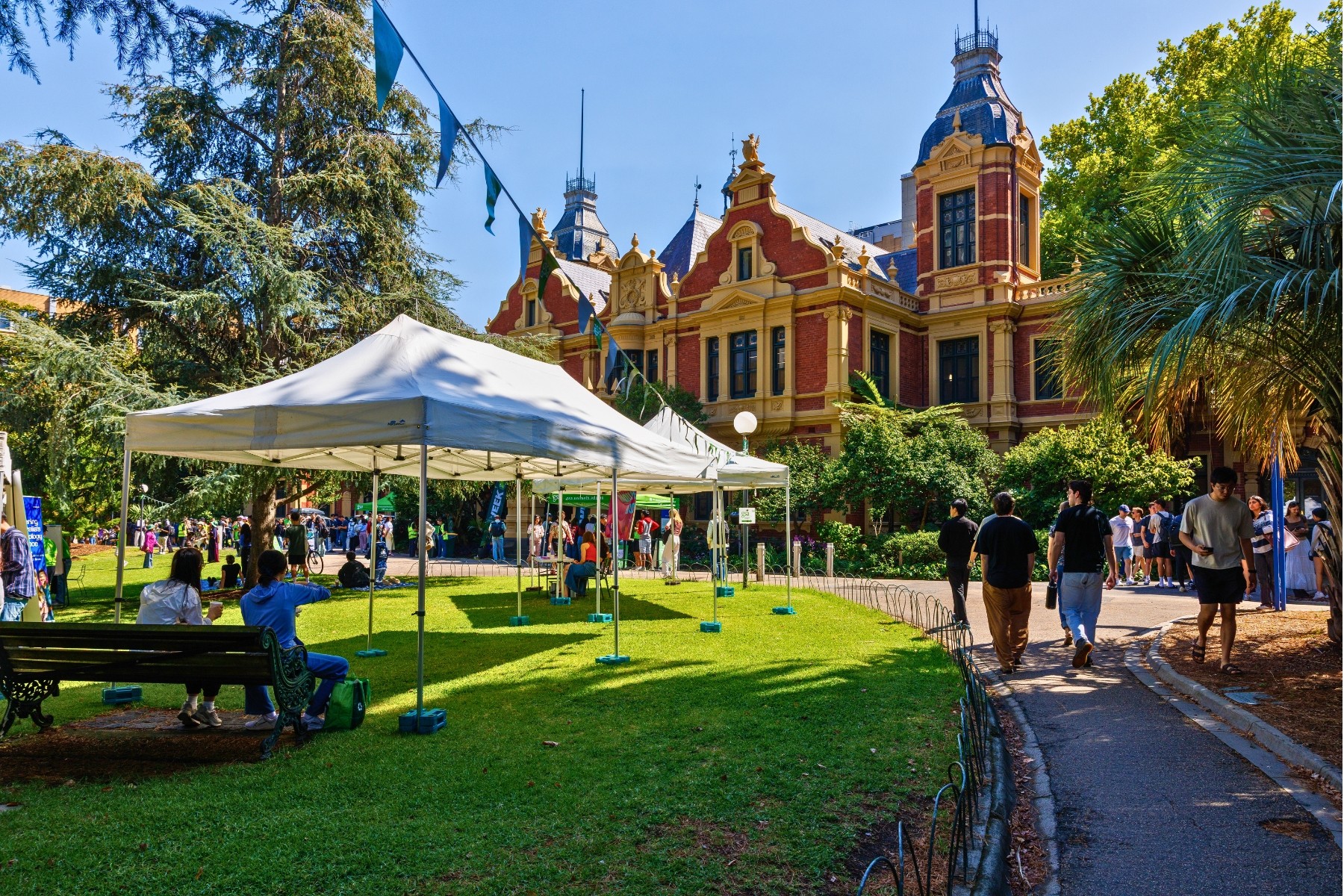
 Melbourne is packed with world-class universities, so wherever you end up, you’ll be in good hands. Here’s a quick look at the top options:
|
University
|
What it’s known for
|
|
University of Melbourne
|
Australia’s highest-ranked uni (#37 globally, THE 2026). Strong across almost every discipline, from arts to engineering.
|
|
Monash University
|
Ranked #58 globally. Known for medicine, science, and business, plus a huge international student community.
|
|
Deakin University
|
Consistently ranks in the top 300 globally. Offers practical courses with great industry links.
|
|
La Trobe University
|
Recognised in the top 300 globally. Popular for health, education and arts programs.
|
|
RMIT University
|
Creative and tech-focused courses; highly regarded for design, engineering, and media.
|
|
Swinburne University of Technology
|
Also ranks in the top 300 globally. Strong in technology, business, and innovation.
|
|
Victoria University (VU)
|
Known for sports science, health and TAFE-linked pathways.
|
|
Australian Catholic University (ACU) – Melbourne campus
|
Focus on education, health and social sciences.
|
|
Melbourne Polytechnic
|
Vocational and applied learning. Great for trades, hospitality, and creative courses.
|
|
Chisholm Institute Melbourne campus
|
Another vocational option, offering practical pathways into industries.
|
Types of student accommodation in Melbourne
Melbourne’s student housing scene has something for everyone, whether you want to be in the middle of the action, need a quiet study space, or your top priority is saving dollars. Here’s a rundown of your main options.
On-campus residences
What it is: This is basically living on or right next to campus. Your room usually comes furnished, and some places even include meals or shared kitchens.
Who it’s good for: Perfect if it’s your first year or you’re an exchange student. Everything’s close by, from lectures and libraries to friends and campus life.
Rough cost: It’s usually around AU$350 to AU$450 per week. The bills and internet are often included, so you don’t have to stress about additional expenses.
Why it’s great: Super convenient, built-in social life, and no need to worry about utilities.
Things to watch out for: It can be pricier than other options, and privacy is limited. Spots fill up fast, so get in early.
Private student housing: purpose-built student accommodation (PBSA)
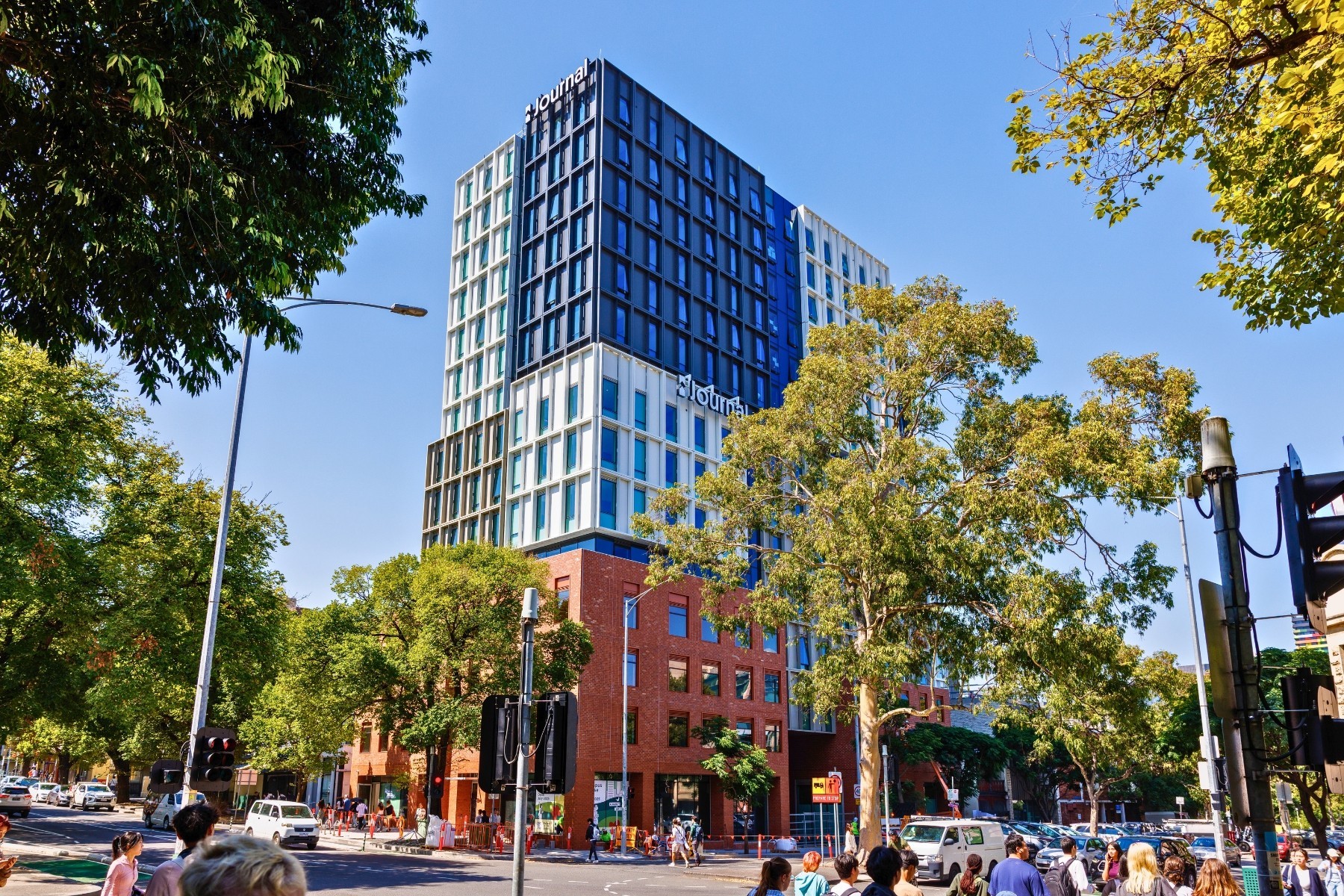
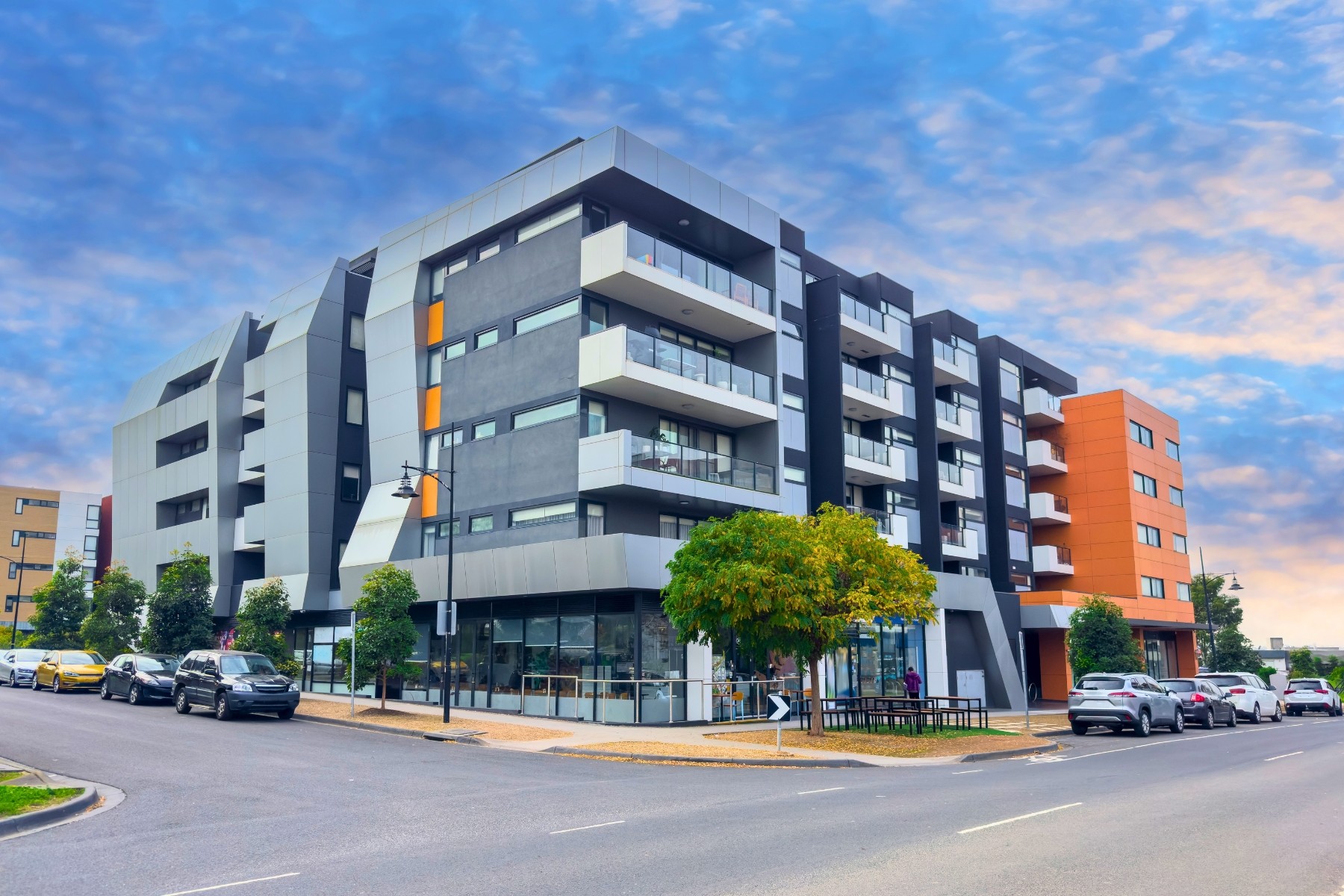
 What it is: Modern, purpose-built student apartments run by private companies, often near the CBD or campus. Think gyms, study spaces, lounges, and sometimes rooftop events.
Who it’s good for: Students who want independence but still like having a social vibe nearby.
Rough cost: AU$300 to AU$450 per week, usually all-inclusive.
Why it’s great: Everything’s taken care of, including bills, furniture, and often fun social events.
Things to watch out for: It can be more expensive than shared housing. There’s also less privacy than in a solo apartment.
Shared rental accommodation

What it is: Renting a room in a house or apartment with other students or young people. You share common areas, like the kitchen, bathroom, and living spaces.
Who it’s good for: Students who want to save money, live more socially, and still have some independence.
Rough cost: AU$200 to AU$350 per week, depending on location and number of housemates.
Why it’s great: Cheaper than PBSA or private apartments, gives more independence than on-campus halls. It also comes with a built-in social network.
Things to watch out for: You’re responsible for bills, cleaning and negotiating house dynamics. Compatibility with housemates can make or break the experience.
Room rental or homestay accommodation
What it is: Renting a furnished room in a family home or with a local host. You live as part of the household, usually sharing the kitchen, bathroom, and living spaces with the family or host.
Who it’s good for: International students, first-years, or anyone who prefers a quieter, more supportive home base rather than a busy share house.
Rough cost: AU$300 to AU$450 per week, often including utilities, internet, and sometimes meals, depending on the homestay setup.
Why it’s great: You get a stable, home-like environment, local advice on navigating Melbourne, and fewer admin headaches because many costs are bundled into one weekly payment.
Things to watch out for: You need to respect household rules, have less control over visitors, and many homestays are in residential suburbs rather than directly next to campus.
Renting a private apartment

What it is: Renting your own studio or 1-bedroom apartment, giving you total freedom.
Who it’s good for: Postgrads or students who value privacy and a quiet space to focus.
Rough cost: AU$400 to AU$600 per week (or more, depending on location).
Why it’s great: With maximum privacy and control over your space, you can live exactly how you want.
Things to watch out for: This is usually the most expensive option, and all bills and responsibilities fall on you. Can also feel a bit isolated if you’re craving a social scene.
The 5 best student areas to live in Melbourne
Carlton
Carlton is a classic student hotspot. It’s super close to the University of Melbourne and RMIT, so getting to lectures is a breeze. The suburb is packed with cafes, libraries, and all the student-friendly hangouts you could want, making it easy to balance study and social life.
Parkville

If you prefer to live somewhere calmer while still being close to campus, Parkville is the perfect suburb. It’s leafy, quiet, and ideal for chilling between classes or even hitting the library. You’ll be within easy walking distance of the University of Melbourne and not far from RMIT’s city campus, so getting to lectures is super easy. Parks and green spaces make it a nice spot to escape the hustle when you need a break.
North Melbourne
North Melbourne boasts a trendy, inner-city vibe, with a good mix of old and new buildings. It’s super convenient for students because you’re just a short walk or tram ride to RMIT City campus and the University of Melbourne, making it easy to get to lectures without spending hours commuting. Coupled with a great café scene, weekend markets, and plenty of leafy streets to explore, you get a balance of city convenience and a relaxed neighbourhood feel.
Fitzroy and Collingwood
If arts, live music, and quirky streets are your thing, Fitzroy and Collingwood are the spots to be. They have that creative, buzzing energy, with plenty of cafes, bars, and music venues around every corner. And, the best part? You’re still really close to campus.
Fitzroy is just 10–15 minutes by tram or a 20–25 minute walk to the University of Melbourne and around the same time to the RMIT City campus.
Collingwood is slightly further out, but still only 15–25 minutes to the central city campuses using public transport. You get the best of both worlds: a lively, artsy neighbourhood without a long commute to lectures.
Brunswick
Brunswick is laid-back, but still lively. Bursting with markets, music venues, and cheap eats, it’s a popular choice for students who want a mix of social life and student-friendly living. In terms of getting to campus, Brunswick is about 20–25 minutes by tram or train to the University of Melbourne and RMIT City campus, so you can easily get to lectures, while still enjoying a slightly more relaxed neighbourhood vibe.
The cost of student accommodation in Melbourne
If you’re trying to work out what you’ll be paying week to week, here’s a rough breakdown. Costs depend on how fancy you want your place, how close you live to uni or the city, and whether bills are included.
|
Type of accommodation
|
Typical weekly rent (AUD)
|
|
Shared houses/flats (room in a shared house)
|
AU$200 to AU$350
|
|
Purpose‑Built Student Accommodation (PBSA)
|
AU$250 to AU$400
|
|
On-campus/university residences
|
AU$300 to AU$450
|
|
Private studio / 1‑bedroom apartments (solo living)
|
AU$400 to AU$600
|
Source: coposit.com.au
How to find the best student accommodation in Melbourne
Finding the right student accommodation in Melbourne can feel overwhelming, especially with so many options and neighbourhoods to choose from. The key is knowing where to look, what you want, and how to act fast when you spot a place that ticks all the boxes. From on-campus halls to shared flats and private apartments, there are plenty of ways to find somewhere that suits your lifestyle, budget, and study needs. In this section, we’ve rounded up some of the best resources and tips to make the hunt a whole lot easier.
Student-focused accommodation platforms
- Student.com: Great for purpose-built student housing (PBSA) across Melbourne, with easy booking and verified listings.
- Unilodge: Popular PBSA provider near major universities like RMIT and Melbourne Uni.
University housing services
- University of Melbourne Accommodation: Official on-campus and affiliated housing options.
- RMIT Accommodation: On-campus and approved off-campus housing listings.
- Monash Student Accommodation: Info on Monash halls, off-campus PBSA, and tips for international students.
Share-house / private rentals
- Flatmates.com.au: Great for finding rooms in shared houses and apartments across Melbourne.
- Gumtree: Classic classifieds site. Filter by student-friendly locations.
- Domain: For private flats or studios, including some short-term leases for students.
Student-friendly removalists in Melbourne
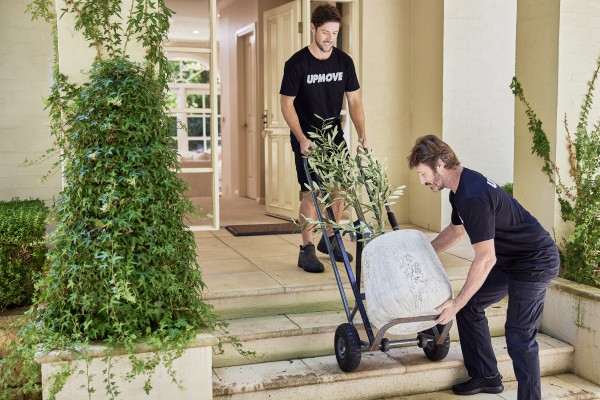
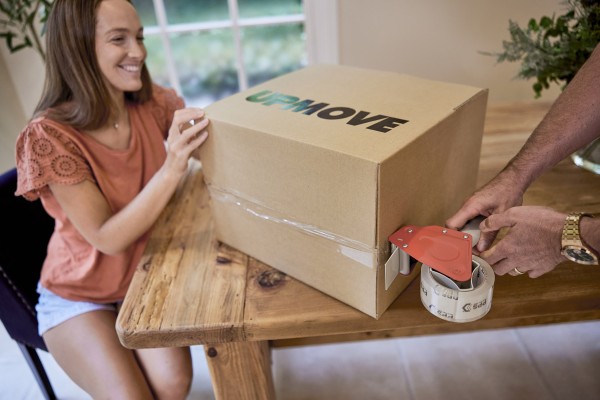
 Once you’ve secured your student accommodation in Melbourne, the next step is organising a move that’s reliable and won’t blow your budget. That’s where Upmove comes in.
Upmove makes student moves in Melbourne simple, affordable, and stress-free. Our trusted Melbourne removalists can handle your belongings with care, giving you a student-friendly moving service that fits your budget, schedule, and new uni life.




 Melbourne is packed with world-class universities, so wherever you end up, you’ll be in good hands. Here’s a quick look at the top options:
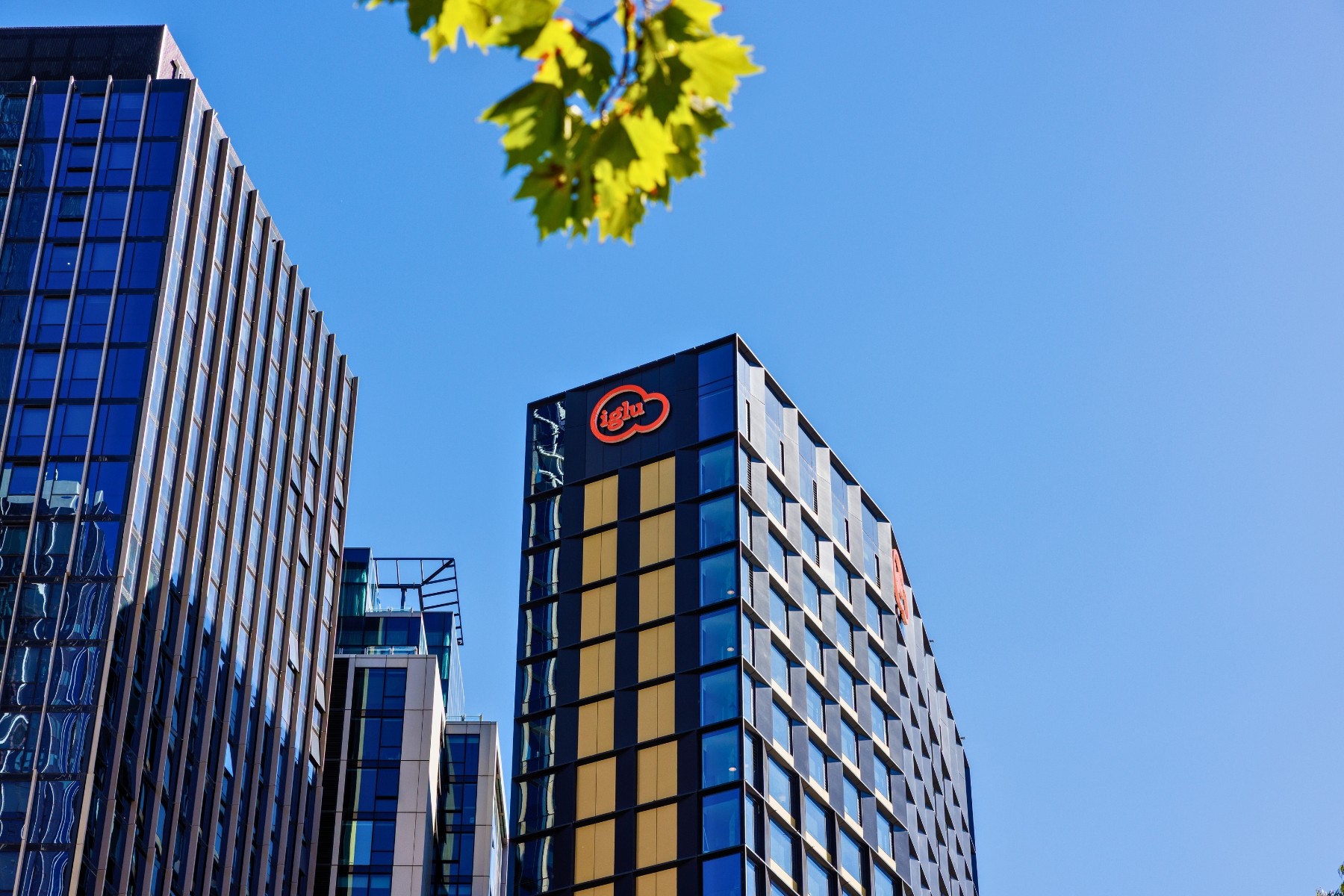 What it is: Modern, purpose-built student apartments run by private companies, often near the CBD or campus. Think gyms, study spaces, lounges, and sometimes rooftop events.
 Once you’ve secured your student accommodation in Melbourne, the next step is organising a move that’s reliable and won’t blow your budget. That’s where