Thinking about turning your spare room, granny flat, or even your whole home into a short-term rental in Australia? You’re not alone. Platforms like Airbnb have made it easy to earn extra income, and with Australia’s booming tourism market, there’s never been a better time to start.
Whether you’re in the city, the hinterland, or on the beach, there’s a lot to consider before listing your property. Here’s a practical step-by-step guide to get your place guest-ready.
1. Start with your budget and profit potential
Before you put your property on Airbnb, it’s worth getting a clear picture of the numbers. Running a short-term rental involves more than just your mortgage, so knowing what you’ll spend and what you might earn will save a lot of headaches later.
Start by considering the cost of repairs or upgrades, such as:
- Fixing leaky taps
- Repairing squeaky doors
- Servicing the aircon
- Repainting walls
- Replacing worn carpets
Then think about ongoing costs. Cleaners for each turnover can run AU$120–AU$400, depending on the size of your place, while gardening and pool maintenance are usually AU$35–AU$55 per hour.
You’ll also need to factor in:
- Higher insurance premiums for short-term rentals
- Council rates
- Body corporate fees
- Registration or permit costs
- Platform fees
- Tax on rental income
- The cost of linen, towels, toiletries, and supplies
Once you add in your expected occupancy rate and a realistic nightly rate, you’ll have a much better sense of whether hosting is financially worthwhile. Doing this homework upfront helps you go in with your eyes open and avoid surprises down the track.
2. Choose the type of short-term rental you want to offer
It’s important to figure out what kind of short-term rental in Australia you want to offer.
You might start with a spare room if you’ll be living on-site and are comfortable sharing your home. You could also offer a self-contained space, such as a studio, granny flat, or converted garage. These are especially popular in places like Byron Bay and the Sunshine Coast, where guests value the privacy of their own little unit.
Of course, you could also rent out the whole home, which is often ideal for families or groups visiting hotspots like Bondi Beach, Surfers Paradise, or central Hobart.
Your choice should match the kind of guests you want, whether that’s:
- weekend getaway families
- interstate holidaymakers
- international travellers
- longer-stay guests
That will also guide how you set up and price your property.
3. Think carefully about location

Where your property is located will make a huge difference to bookings. Guests love being near beaches, parks, restaurants, and local attractions.
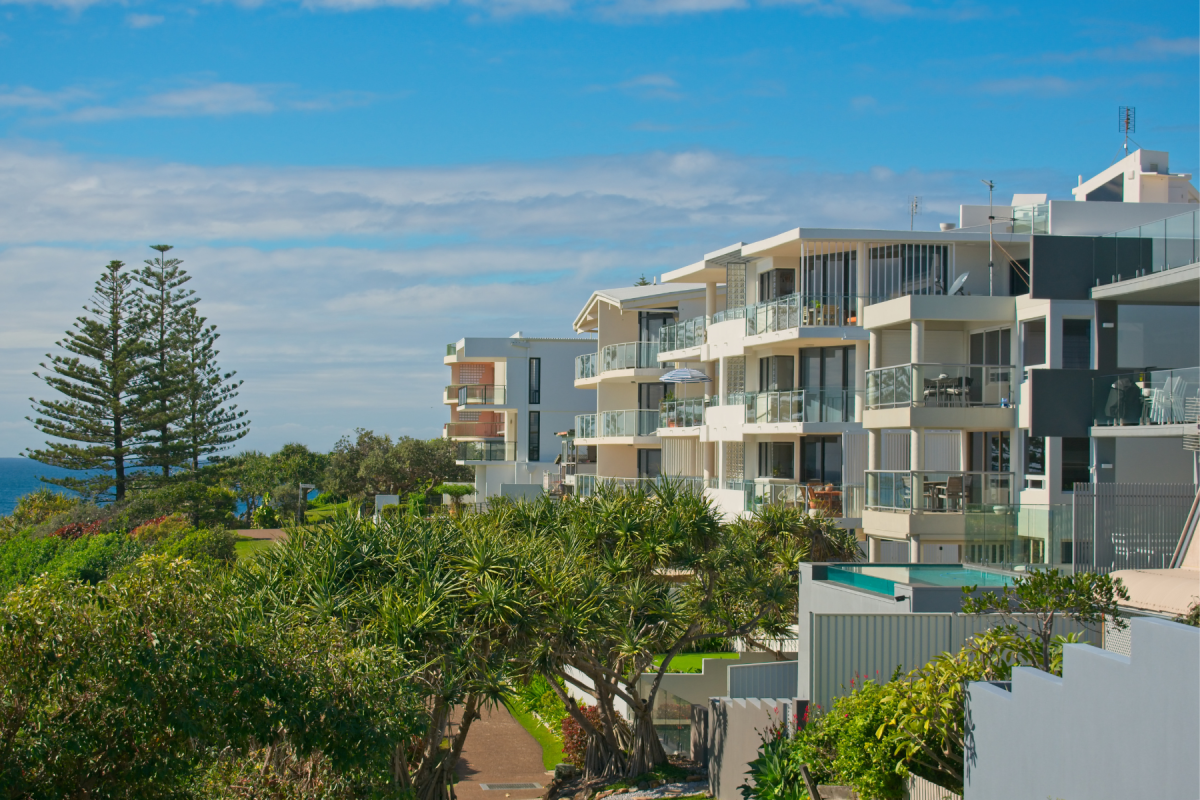
On the Sunshine Coast, for instance, Maroochydore and Mooloolaba are ideal for families, as they place guests in the heart of the region, close to popular spots such as Noosa and Hastings Street, and within easy reach of the Sunshine Coast Airport.
City apartments, such as those in Sydney or Melbourne, require a different approach. Travellers are more likely to care about:
- Access to public transport
- Fast Wi-Fi
- Walkability
- Nightlife
- Nearby cafés and restaurants
And don’t forget about parking. In dense suburbs like Bondi or central Melbourne, having a secure parking spot can be a real deal-breaker.
4. Understand the rules, regulations and insurance requirements
Short-term rentals in Australia are regulated at both the state and local levels. Your council may require registration or permits, or may place limits on the number of nights your property can be rented out each year.
If your property is part of a unit or apartment complex, body corporate rules may also limit or prohibit short-term rentals. You’ll also need to follow Airbnb rules and platform standards carefully.
And while standard home insurance covers most homeowners, it usually does not cover short-term rentals. Getting short-term rental insurance in Australia is essential for peace of mind.
5. Get your property guest-ready
Before you list your place, take a good walk around and check for little things that could annoy guests. Fix leaky taps, creaky doors, cupboard handles that won’t stay closed, and make sure all your appliances actually work.
Smoke alarms are a legal requirement across Australia and must meet Australian Standard AS 3786. Install them near sleeping areas and on every level of your property.
Focus on comfort
Comfortable beds are crucial. Invest in quality mattresses, pillows, and high-quality white linen that can be bleached to maintain cleanliness.
Extra blankets are a good idea in colder regions like Tasmania, where winter temperatures can drop to near zero. In hotter areas like Queensland or the Northern Territory, a reliable air conditioning system will make all the difference to guest satisfaction.
Match the decor to the setting
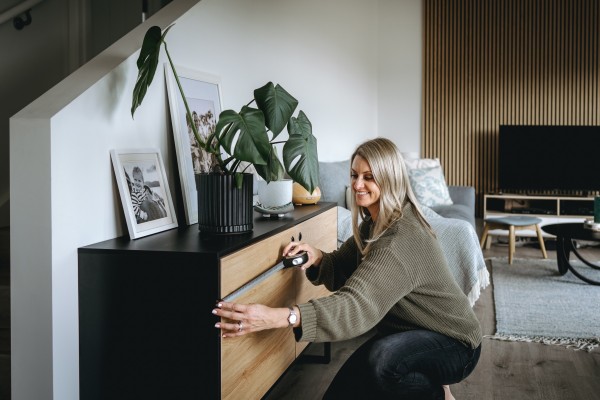
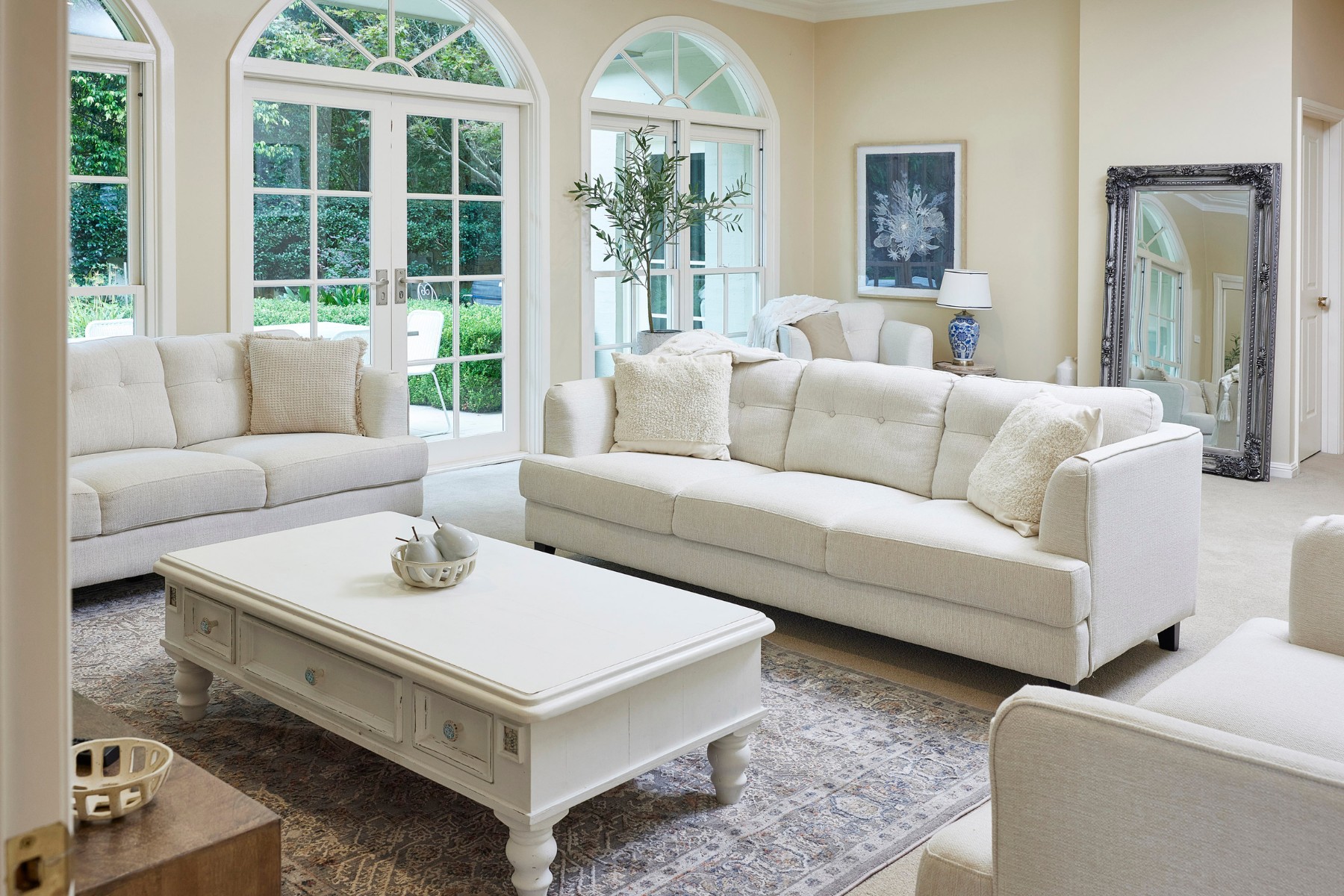
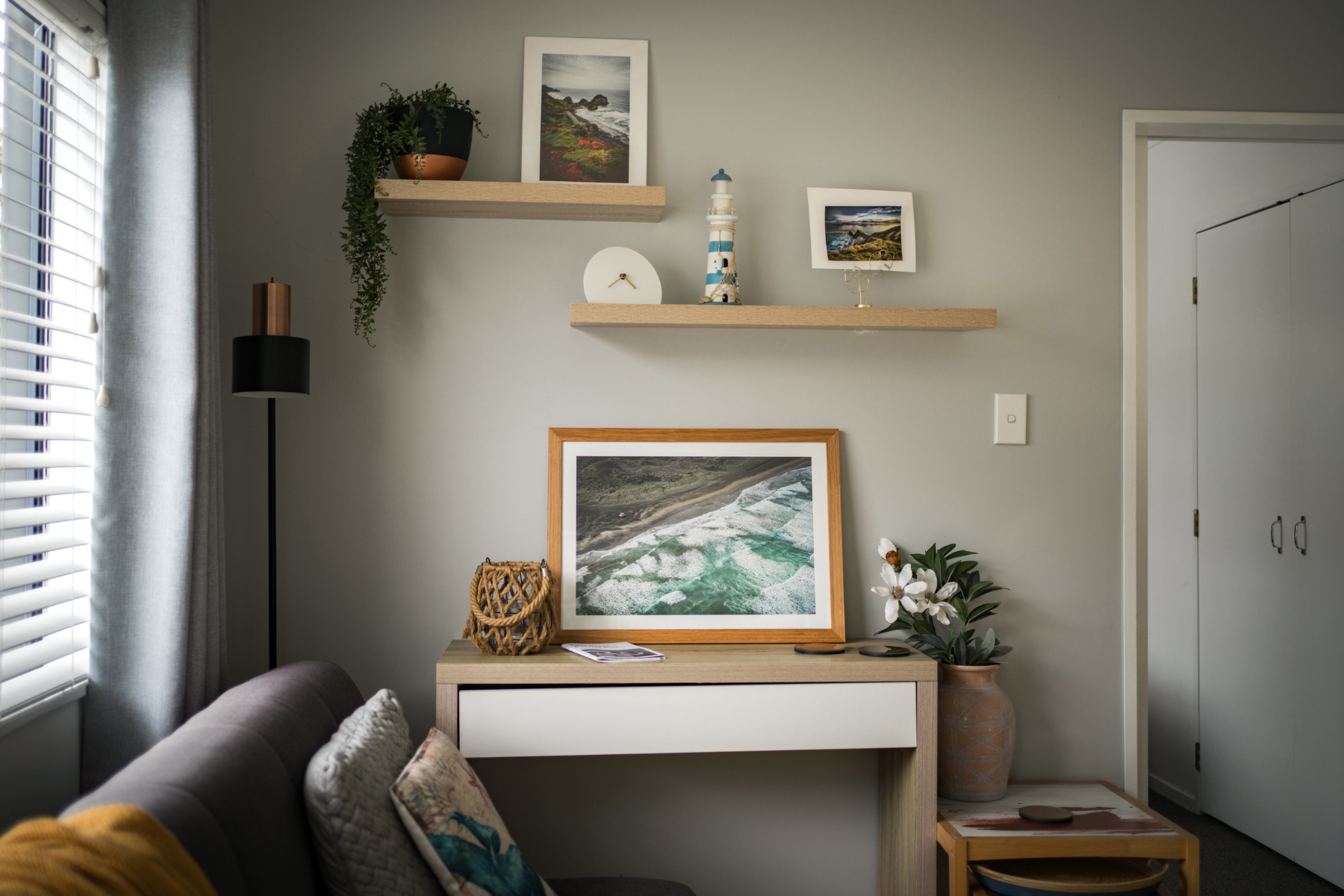
 Declutter personal items such as photographs, ornaments, or collections, and create a neutral, welcoming space.
Different types of properties suit different styles:
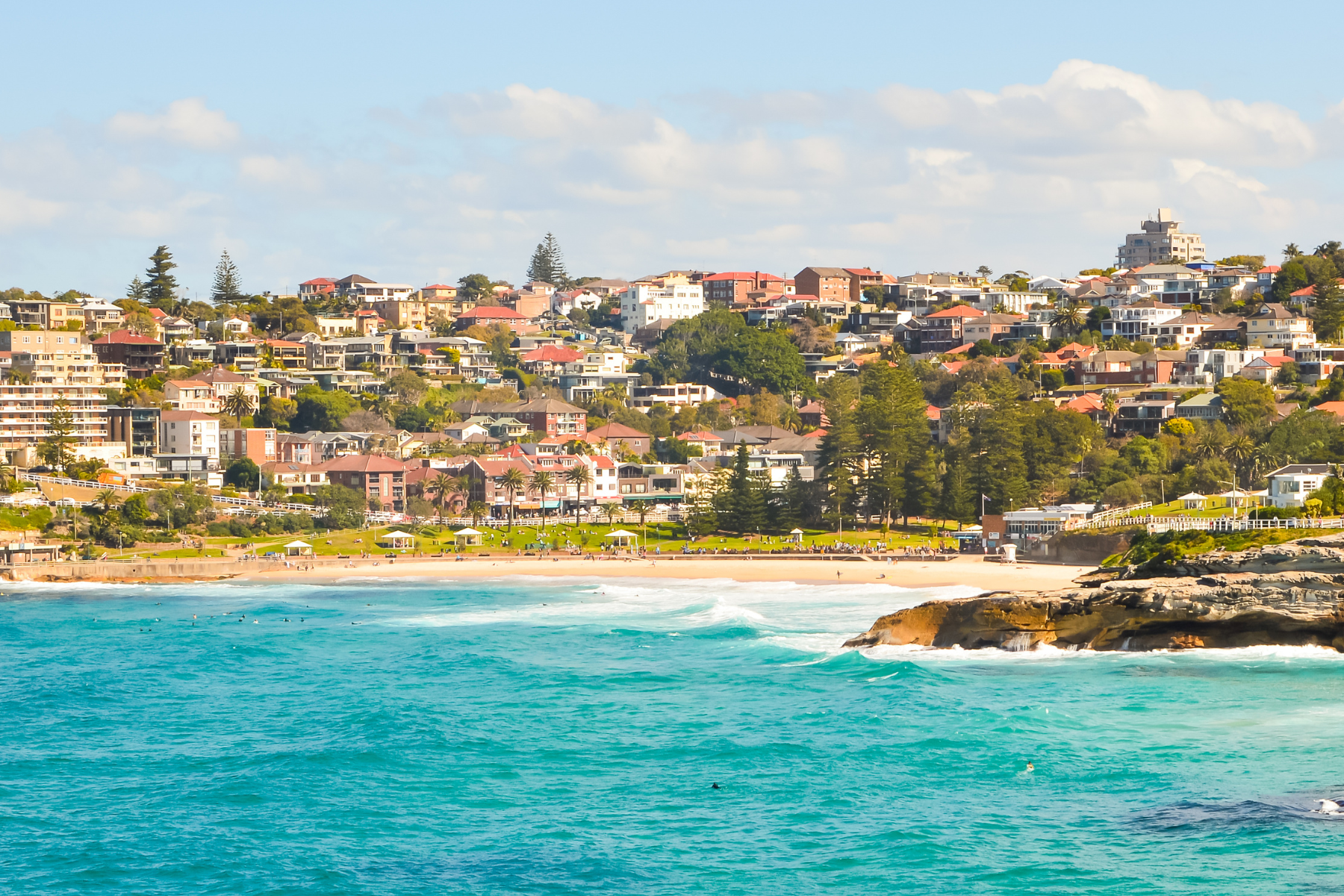
- Beach homes: light colours, surf-inspired touches, and coastal décor.
- City apartments: modern minimalism and neutral tones.
- Hinterland cottages: warm timber finishes, local art, and nature-inspired features.
Make sure the paint is clean and free of marks, carpets and sofas are spotless, and decor is consistent throughout the property.
If you’re looking for a theme that brings your guests joy, read our complete guide on dopamine decor for inspo!
6. Strategically set your pricing
Pricing is a bit of an art, but it’s worth doing properly. Check out similar properties nearby to get a feel for what guests are paying.
Dynamic pricing is also a smart move. You can boost rates during busy times and drop them when bookings are quieter to keep your calendar full.
7. Create a clear, informative property listing
When you’re putting your property on Airbnb or another short-term rental platform, think about what guests really need to know before they book. Keep it clear, easy to read, and cover the essentials.
Include details such as:
- Property type, such as entire home, granny flat, apartment, or private room.
- Number of bedrooms and beds, plus bathroom details.
- Heating, air conditioning, and other comfort features.
- Parking, including how many spaces and whether it’s on-site or street parking.
- Wi-Fi and entertainment, like Netflix, TV, or speakers.
- Kitchen and laundry facilities.
- Outdoor spaces, such as a pool, balcony, patio, or gardens.
- Safety features, including smoke alarms, fire extinguisher, and first aid kit.
- Accessibility for children, pets, or mobility needs.
- Nearby attractions, like beaches, parks, shops, or public transport.
- House rules, including check-in and check-out times, noise, and rubbish.
- Cancellation policy and deposit requirements.
- Guest reviews
The clearer your listing is, the fewer questions guests will have before booking. A professional, easy-to-read listing helps you attract more bookings and better reviews.
8. Invest in professional photography

Professional photos can make a huge difference to your listing, so don’t just snap a few quick shots on your phone.
Make sure you show all the areas guests care about, including:
- Bedrooms
- Bathrooms
- Kitchen
- Living spaces
- Any outdoor areas
- Pools
- Entertainment spots
It’s also worth including a few shots of the neighbourhood, like the local beach, parks, cafés, or restaurants. Guests want to get a feel for the whole experience, not just the four walls.
Most importantly, be honest with your photos. Don’t be misleading because guests will notice.
9. Build a memorable guest experience
A great stay is about more than just a comfy bed. Think about what will make your guests feel welcome and cared for.
Little touches go a long way. In Byron Bay, for example, many hosts provide locally made toiletries and artisan products from nearby producers, giving guests a genuine taste of the region.
Other thoughtful extras might include:
- Each towels
- Umbrellas
- Bikes
- Kayaks
- A welcome pack with local eggs, fresh bread, coffee, tea, and milk
For hinterland getaways, including the first morning’s breakfast is a real standout and often comes up in reviews. Guests love feeling like the hosts have thought of everything to make their stay easy and enjoyable.
10. Write a thorough compendium
Your compendium is your guest’s go-to guide for everything about your property and the local area. Think of it as their little handbook to make their stay easy and enjoyable.
Start with the practical information, such as:
- How to work the hot water
- Air conditioning instructions
- Wi-Fi details
- Steaming or Netflix setup
- What to do if the power goes out
- House rules
- Check-in and check-out times
- Noise expectations
- Rubbish collection instructions
Then expand it with useful local guidance, including:
- Public transport or travel info
- Seasonal events, like Mardi Gras in Sydney, or game day advice if you’re near stadiums or concert venues
- Nearby attractions, dining options, and markets
- Any other local insights that tourists wouldn’t know but should
If you’re looking for some guidance on what to include, check out our ultimate guide to Australia’s public transport or our list of must-visit secret spots while travelling Australia.
Don’t forget to showcase your property’s extras too, such as solar power, water filters, saunas, or eco-conscious features. The compendium is your chance to make guests feel fully supported and create a stay they’ll remember.
11. Make check-in a breeze
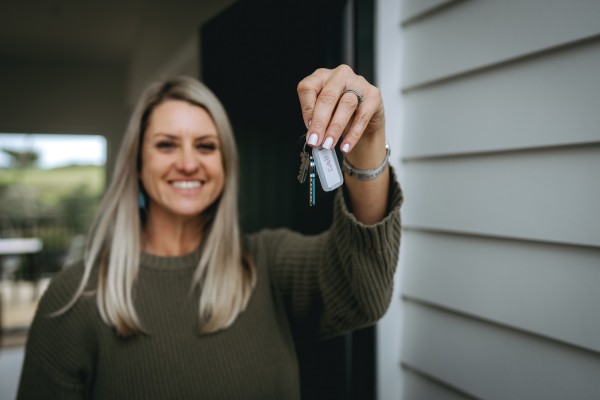
 Chances are, you’re not going to be on hand to welcome every guest that books your property as a short-term rental. This is why it’s important to make check-ins easy for everyone.
Popular options for self-check-in include:
- Keypad entry
- Lockboxes
- Smart locks
A smooth arrival sets the tone for the whole stay.
12. Encourage guests to leave reviews
Reviews are everything in the short-term rental world. Happy guests sharing their experiences can make a huge difference, helping you attract more bookings and build trust in your short-term rental business.
Though some booking platforms have their own automated messaging, it’s often useful after each stay to send a quick, friendly message thanking them and gently reminding them to leave a review.
13. Clear the space and get it move-in ready

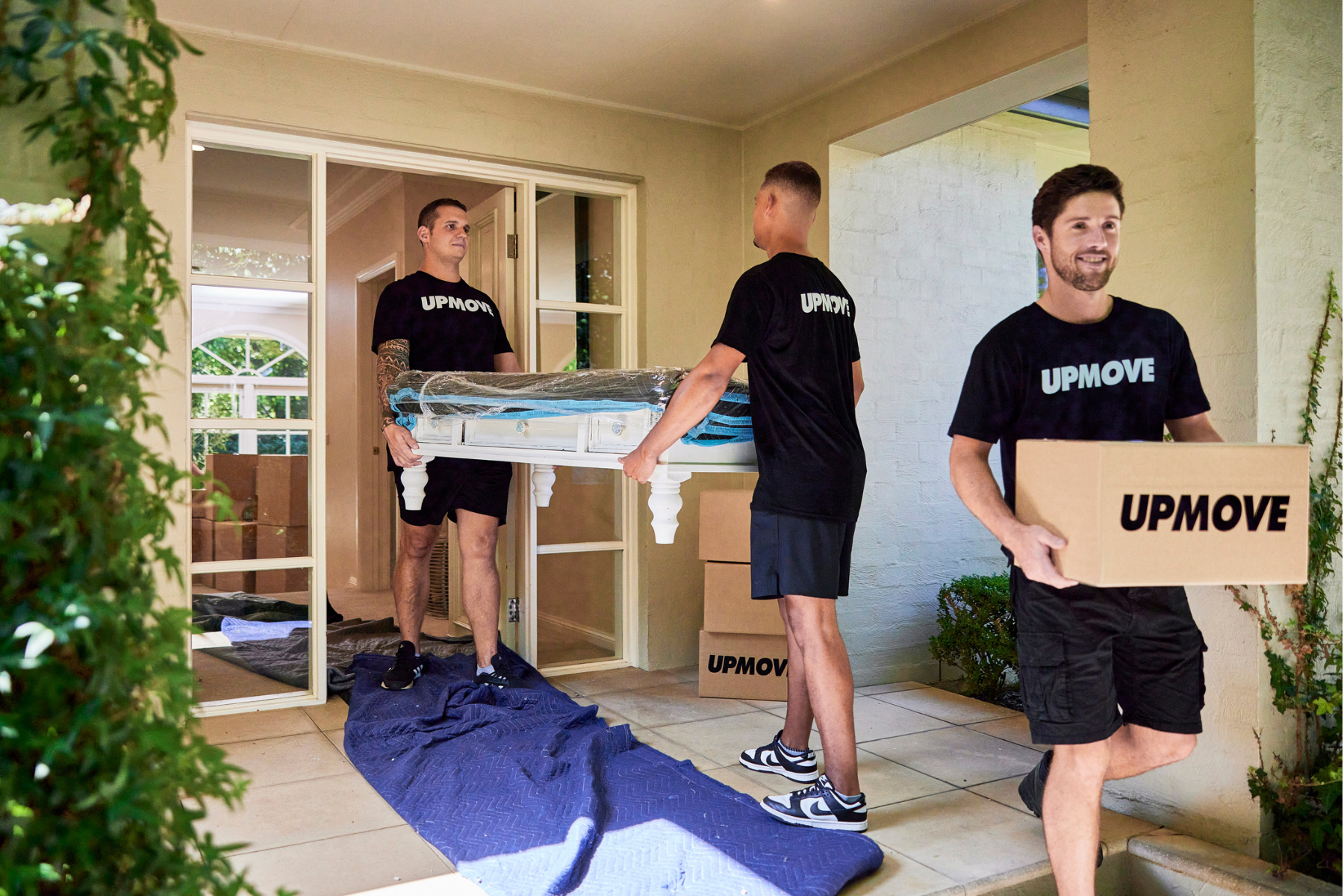
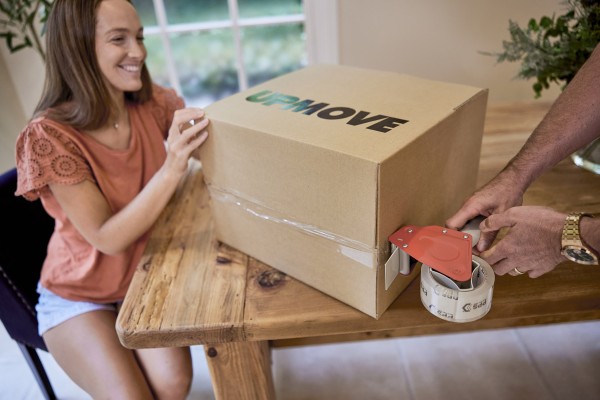
As part of the process of getting your short-term rental ready, you may find yourself needing to set up furniture, bring in essentials, or shift out your own belongings.
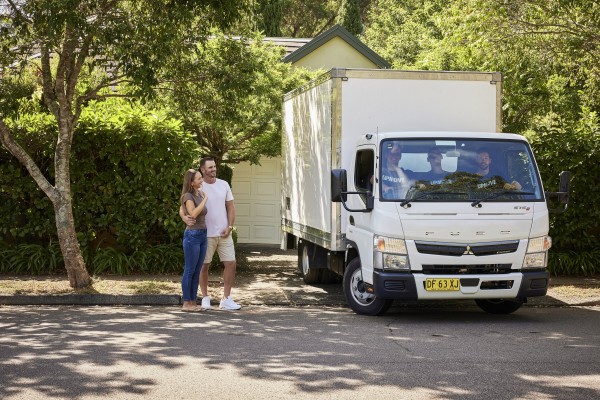
That’s where Upmove can help. With Upmove, you can book local removalists anywhere in Australia.
It makes getting your property guest-ready simple and stress-free, so you can focus on running your Airbnb, creating a great stay, and enjoying the process of hosting.




 Declutter personal items such as photographs, ornaments, or collections, and create a neutral, welcoming space.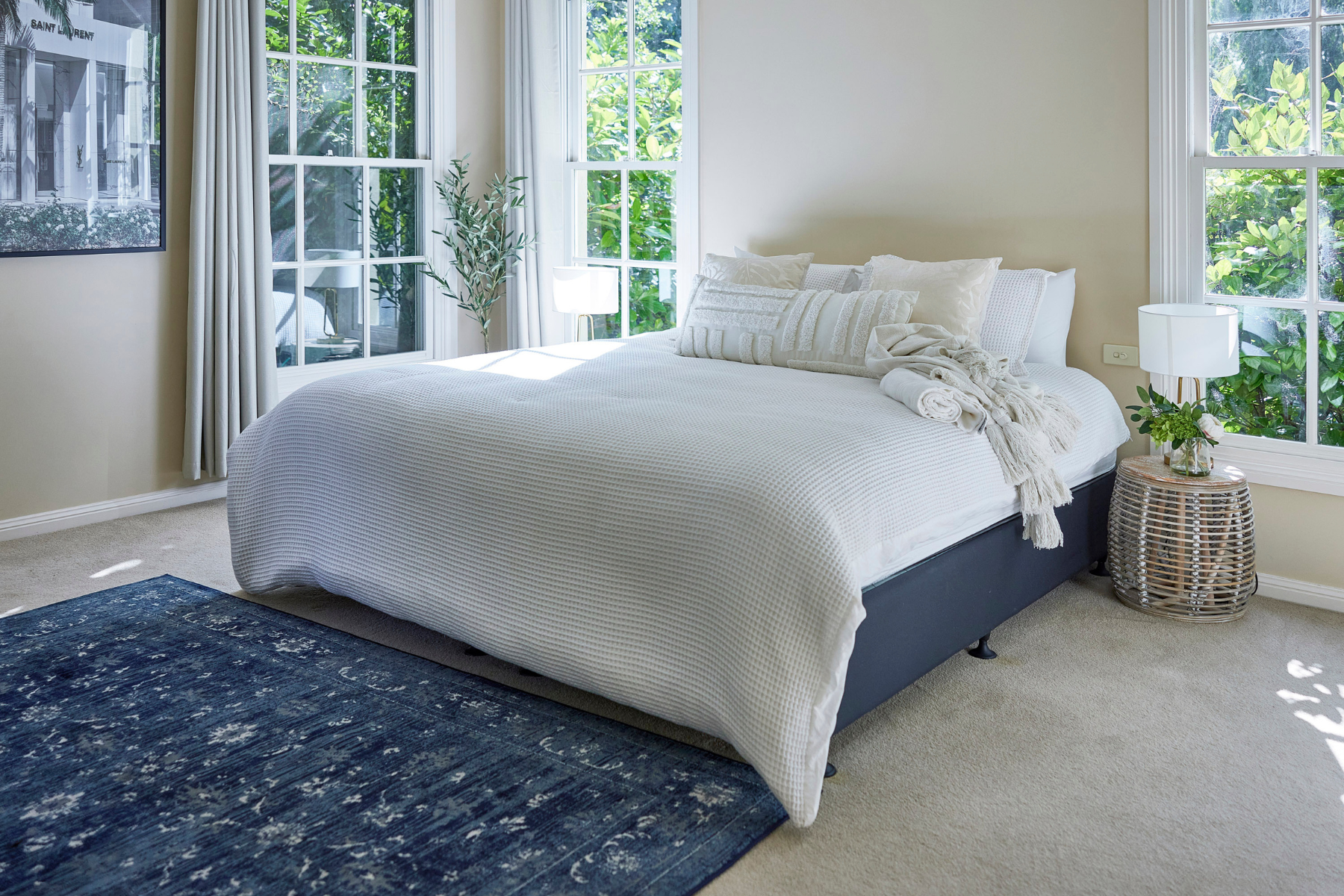
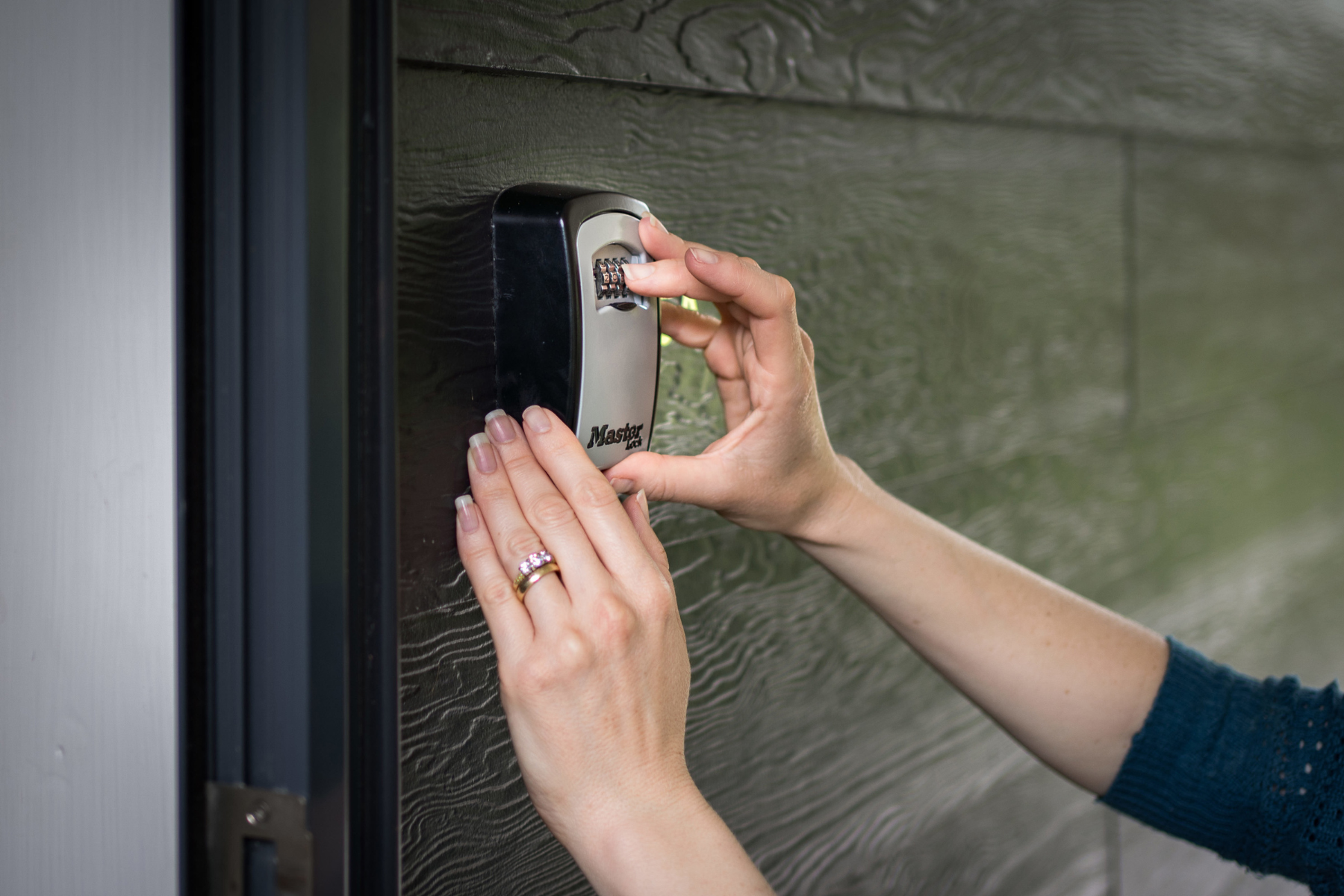 Chances are, you’re not going to be on hand to welcome every guest that books your property as a short-term rental. This is why it’s important to make check-ins easy for everyone.