Summer and moving house seem to go hand in hand in Australia. In fact, according to State data, Aussies are 50% more likely to move in January than in any other month of the year.
And it makes sense: The days are longer, there’s time off over Christmas and New Year, and the long school holidays create a natural window for families wanting to move house, change neighbourhoods, or relocate interstate before the new school year begins.
The downside? It’s hot. Like, really hot in many parts of the country. And when you combine soaring temps with heavy boxes, a house full of furniture, and hours of physical labour, cleaning and clearing, moving day can get uncomfortable pretty quickly.
If you’re moving in December, January, or any time over the warmer months, a little extra planning can make a big difference. These summer moving tips will help you plan, protect your belongings and keep your cool.
Start early and beat the heat
The earlier you can get started, the better. Temperatures climb as the day goes on, so an early morning start can help you get more of the heavy lifting done before the hottest part of the day. It can also mean less time loading and unloading furniture during the peak midday heat.
Moving tip: If you’re booking a moving team, ask them what times are available. An early slot can be worth grabbing. For a DIY move, try to have everything packed and ready to go the night before.
You don’t want to spend the coolest few hours of the morning finishing boxes, dismantling furniture, or hunting for the packing tape.
And when you’re doing a weather check, look beyond the temperatures. Take a look at the full forecast in the days leading up to your move, including UV levels, storms, and any extreme weather warnings that could affect moving day.
Plan for the van

Packing for a summer move comes with a few extra considerations. While most of your belongings will be perfectly fine boxed up for the journey, some things don’t cope well with hours inside a hot car or moving truck.
Keep anything that could melt, spoil, or be damaged by high temperatures with you where possible. This can include:
- Houseplants
- Candles and wax products
- Chocolate and other heat-sensitive foods
- Medication
- Electronics and batteries
- Cosmetics and toiletries
- Wine
- Photographs, artwork, and other delicate items
It’s also worth thinking about what you’ll need as soon as you arrive. Pack a clearly labelled essentials box with things like sunscreen, hats, towels, toiletries and a change of clothes, rather than burying them somewhere in the back of the moving truck.
If you’re facing a long drive or moving interstate, an esky with ice packs can also come in handy for keeping food, drinks, and other temperature-sensitive items cool along the way.
Stay hydrated and watch for heat stress
Keep cold water accessible throughout the move, not packed away in the fridge, kitchen boxes, or moving truck. If you’re expecting a hot day, have an esky ready with water, ice, and electrolyte drinks before you start.
Take breaks out of direct sun and avoid pushing through if you start feeling unwell. Headaches, dizziness, nausea, weakness, heavy sweating, and confusion can all be signs of heat-related illness.
If possible, save lighter jobs, such as unpacking boxes and organising rooms, for the hottest part of the day, and tackle furniture and heavier lifting earlier or later in the evening when temperatures are lower.
Book a removalist and skip the heavy lifting
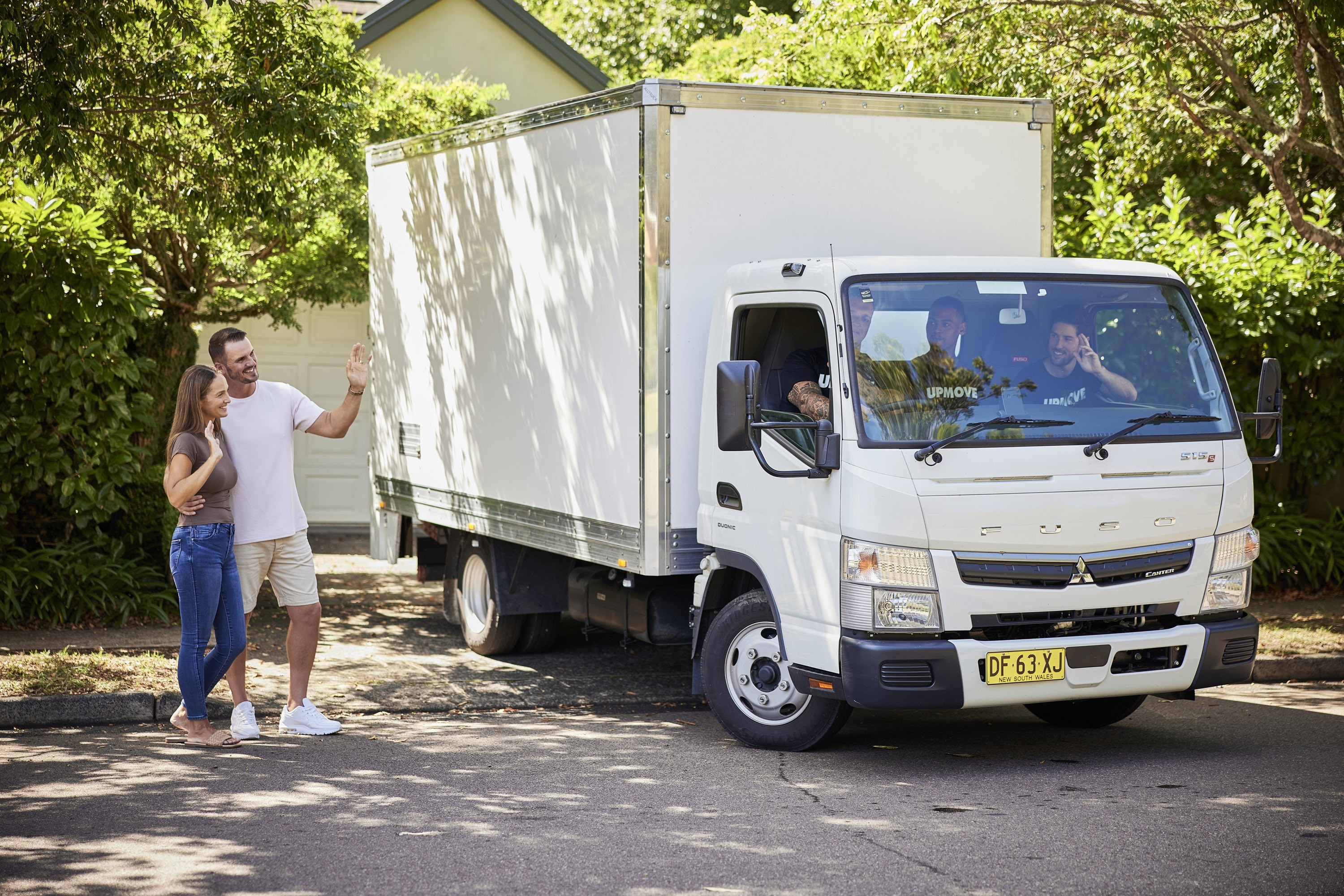
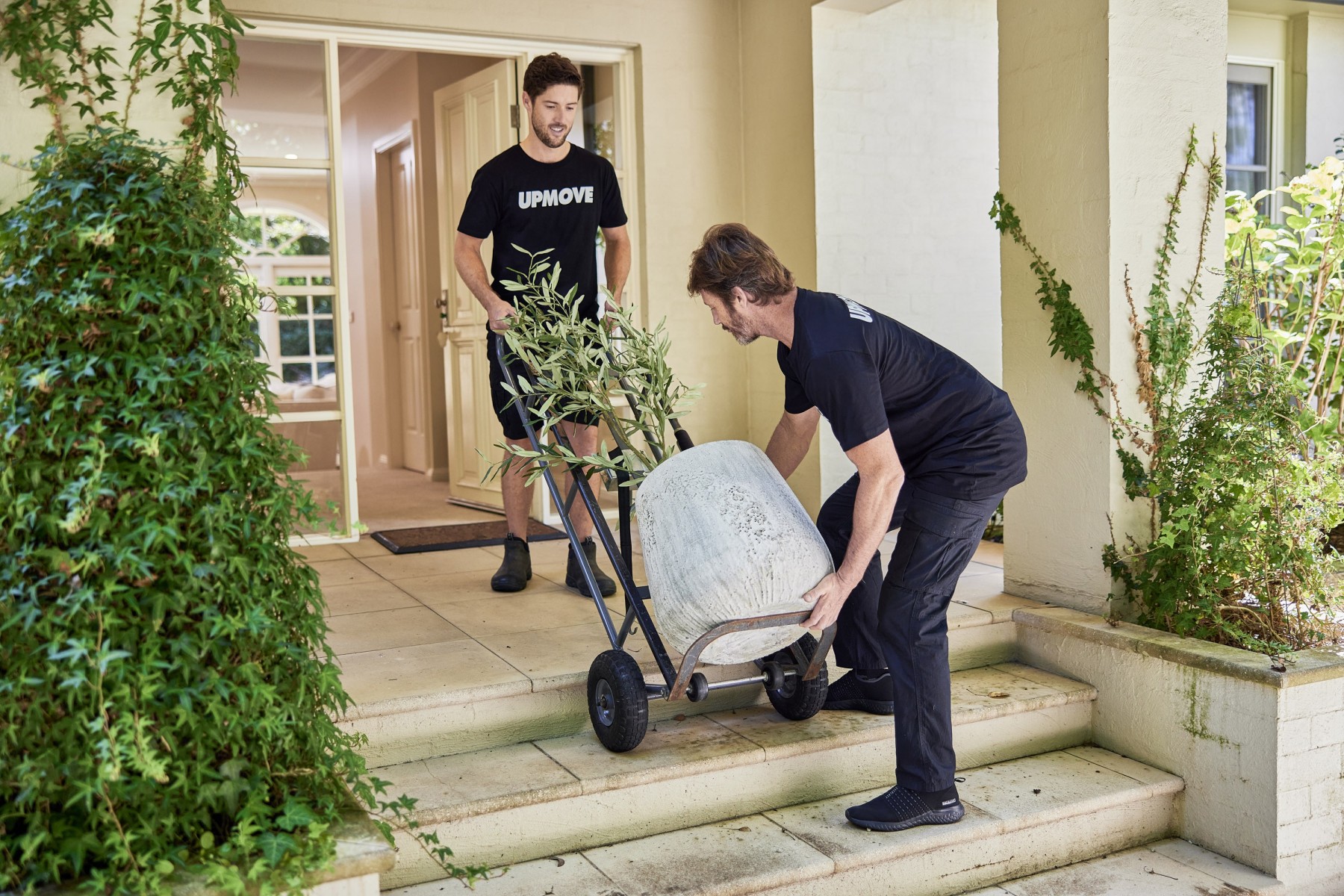
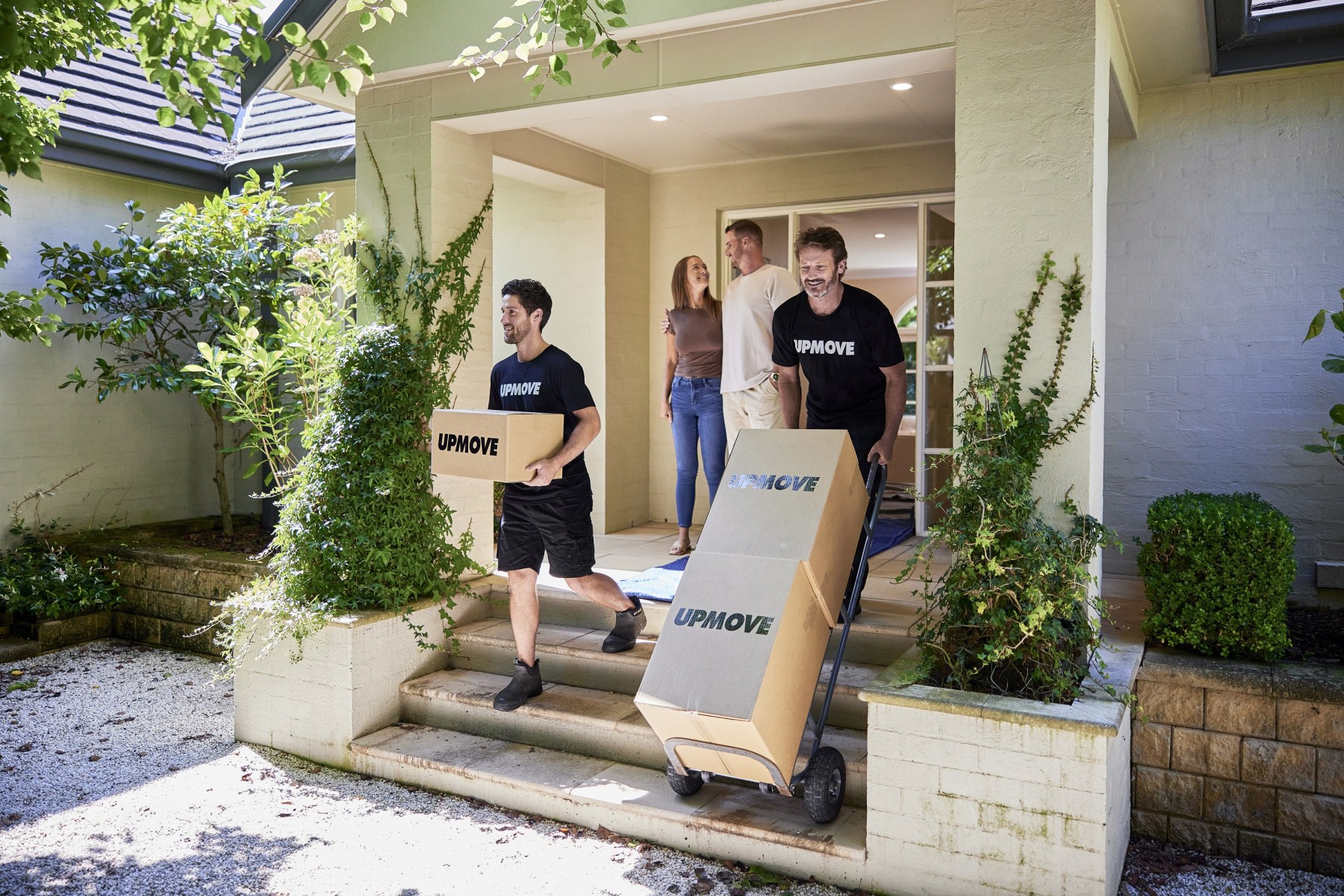
 There are plenty of times when a DIY move makes sense. The middle of an Australian summer isn’t necessarily one of them.
If the forecast is pushing into the 30s, spending hours carrying boxes, mattresses, and furniture between the house and a hot moving truck can turn moving day into a slog pretty quickly.
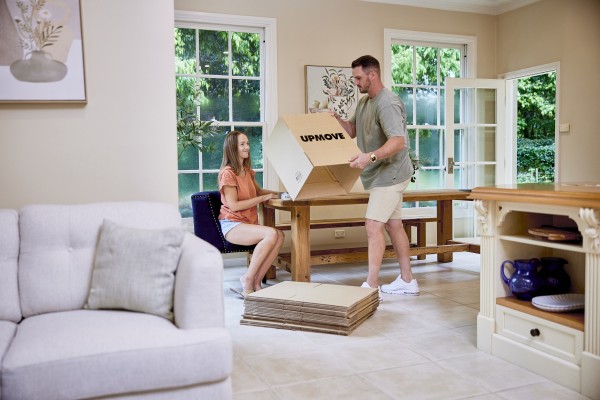
Booking a moving team takes the hardest, hottest part of the job off your hands. You can focus on keeping the move organised, looking after kids or pets, and getting the new place ready while someone else handles the heavy lifting.
Lock in your moving services early
Moving in December or January can mean competing with other movers for more than just a moving team.
If you need professional cleaners, storage, pet transport, building lift access, or help moving specialty items like a piano, book these early too. The Christmas and New Year period can mean reduced trading hours or fewer available booking dates, while January is one of the busiest times of year for Australians to move.
For apartment moves, check whether your building requires you to reserve a lift or loading bay. Some strata or building managers also restrict moving times, which can quickly undo plans for an early start to beat the summer heat.
If your dates are flexible, ask your moving team whether shifting your move by a day or two gives you more options.
Get your new home ready before moving day
There are a few jobs worth getting out of the way before you arrive with a truck full of belongings, especially during summer:
Confirm your electricity is connected before moving day so you can use the aircon or fans as soon as you arrive.
If you’re moving around Christmas or New Year, organise utilities well ahead of time rather than assuming providers will be operating as usual.
Summer moving tips for different parts of Australia
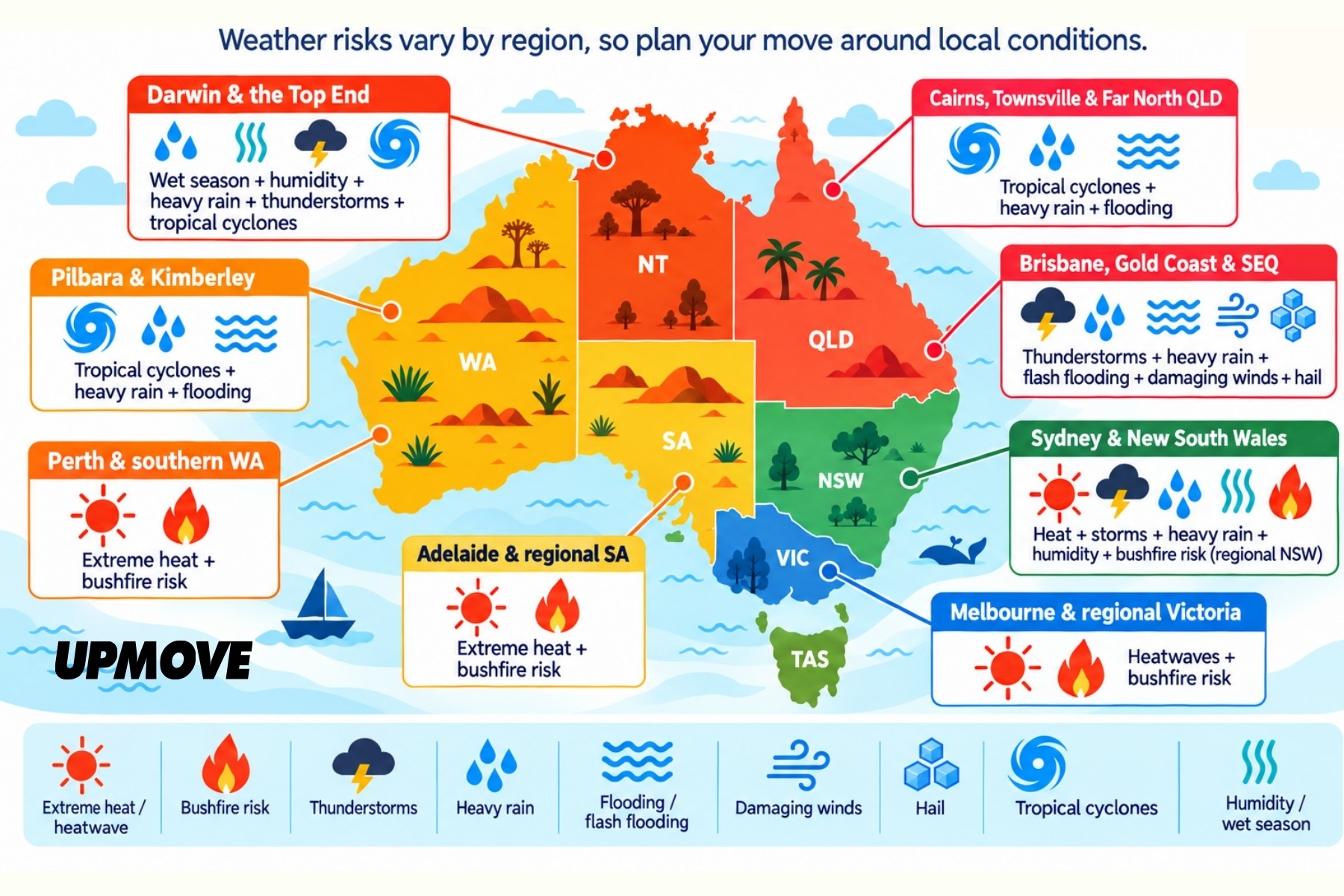
Weather varies significantly across the country, and the conditions most likely to disrupt your move in Brisbane aren’t necessarily the ones you need to plan for in Melbourne, Perth, or Darwin.

Brisbane, the Gold Coast, and South East Queensland
Summer means severe thunderstorms, heavy rain, flash flooding, damaging winds, and hail. If storms are forecast, check road conditions as well, particularly if your moving route includes low-lying or flood-prone roads. Avoid leaving cardboard boxes and furniture outside while the truck is being loaded.
Cairns, Townsville, and Far North Queensland
December and January fall within both the northern wet season and Australia’s official tropical cyclone season, which runs from 1 November to 30 April. Heavy rainfall, flooding, and tropical systems can affect roads and moving schedules, so build some flexibility into long-distance moves rather than relying on a tight collection and delivery window.
Darwin and the Top End
The summer months are the wet season, bringing high humidity, heavy rainfall, thunderstorms, and the possibility of tropical cyclones. The monsoon typically arrives around Darwin in late December, although its timing varies from year to year. If you’re moving between Darwin and regional areas, check conditions across the entire route as heavy rainfall can have a much bigger impact outside the city itself.
Perth and southern Western Australia
Extreme heat and bushfire conditions are more relevant considerations here. If your move takes you through regional or bushland areas, check fire danger ratings and warnings before setting off, particularly when travelling with a fully loaded vehicle or moving truck.
The Pilbara and Kimberley
Northern WA has a very different summer from Perth. December and January fall within the tropical cyclone season, and heavy rain and flooding can affect long-distance road access. If you’re moving to or from places such as Broome, Karratha, or Port Hedland, allow for the possibility that severe weather could change your collection, route, or delivery timing.
Melbourne and regional Victoria
Heatwaves and elevated bushfire risk can affect summer moves, particularly those travelling through regional Victoria. On high fire danger days, check warnings and road conditions before leaving rather than assuming your planned route will remain suitable.
Adelaide and regional South Australia
Extreme heat can be a bigger issue than rain during a summer move, with bushfire conditions another consideration for regional routes. On very hot days, getting the heavy loading completed early becomes particularly important, and long-distance movers should check fire and road warnings before setting off.
Sydney and New South Wales
Sydney summers can bring plenty of heat, but sudden storms, heavy rain and high humidity can also make moving day interesting. Keep an eye on the forecast and avoid leaving boxes, furniture or electronics exposed outside ifrain is on the way. If you’re moving through regional NSW, bushfire conditions can also affect road access and travel plans.
Find out more about what the weather in each season looks like across Australia in our complete guide.
Easiest way to book a removalist in summer

Moving in the summer heat? Skip the sweaty heavy lifting and leave it to the professionals. Trust us, you’ll thank yourself later. And that's where Upmove comes in
Book a trusted local removalist with Upmove and take the hardest part of moving day off your hands. You can focus on keeping things organised, getting settled into the new place and staying out of the heat while your movers handle the furniture, boxes and loading.
Then all that’s left is unpacking, cranking the aircon and cracking a cold one.




 There are plenty of times when a DIY move makes sense. The middle of an Australian summer isn’t necessarily one of them.