Aboriginal art is a deeply expressive and significant part of Australian indigenous culture. With roots stretching back thousands of years, this art form acts as a vessel for ancestral knowledge, storytelling and spirituality.
In this article we’re exploring the history of Aboriginal art, the symbols within, as well as the importance of ethical shopping when it comes to buying indigenous pieces.
What is aboriginal art?
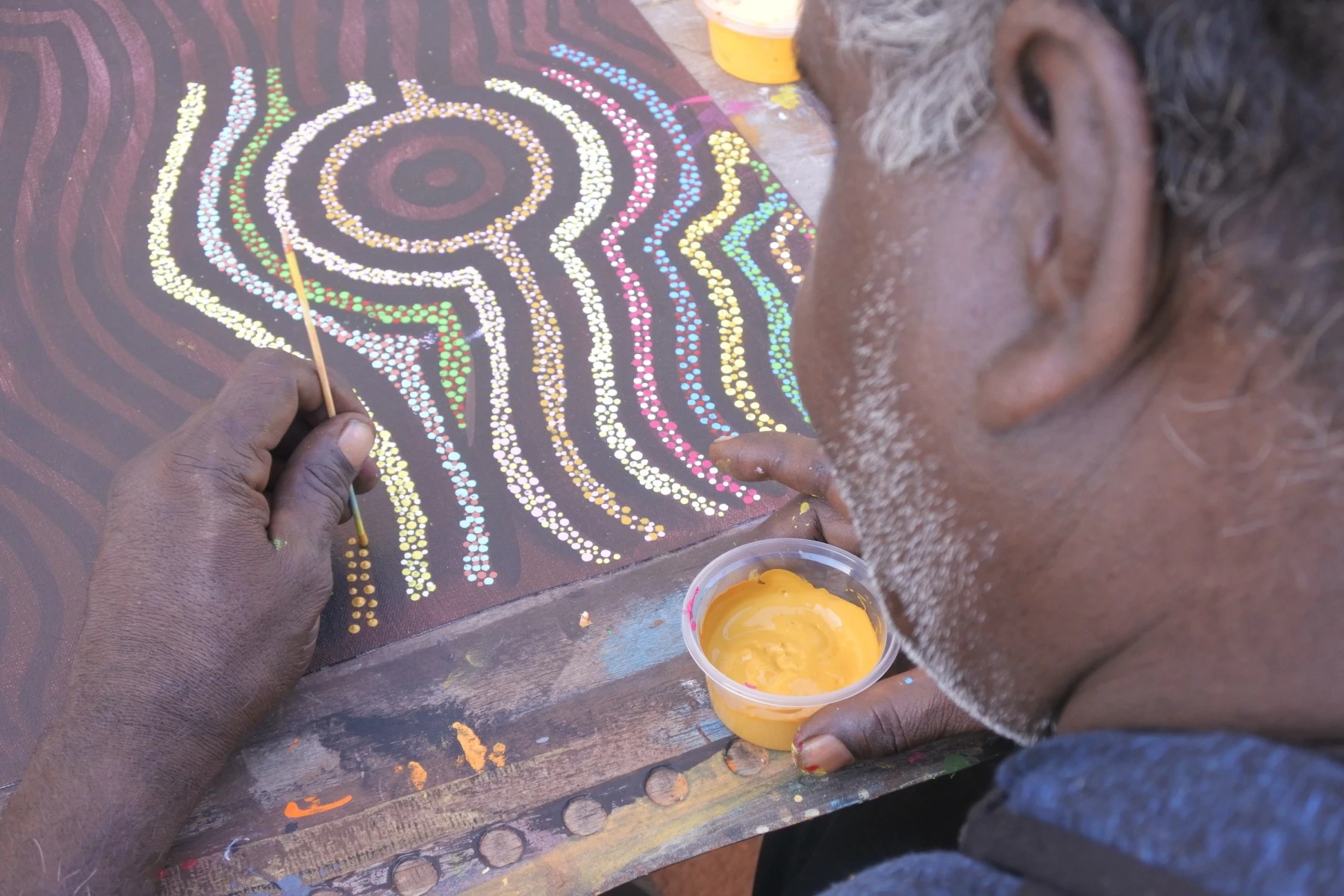
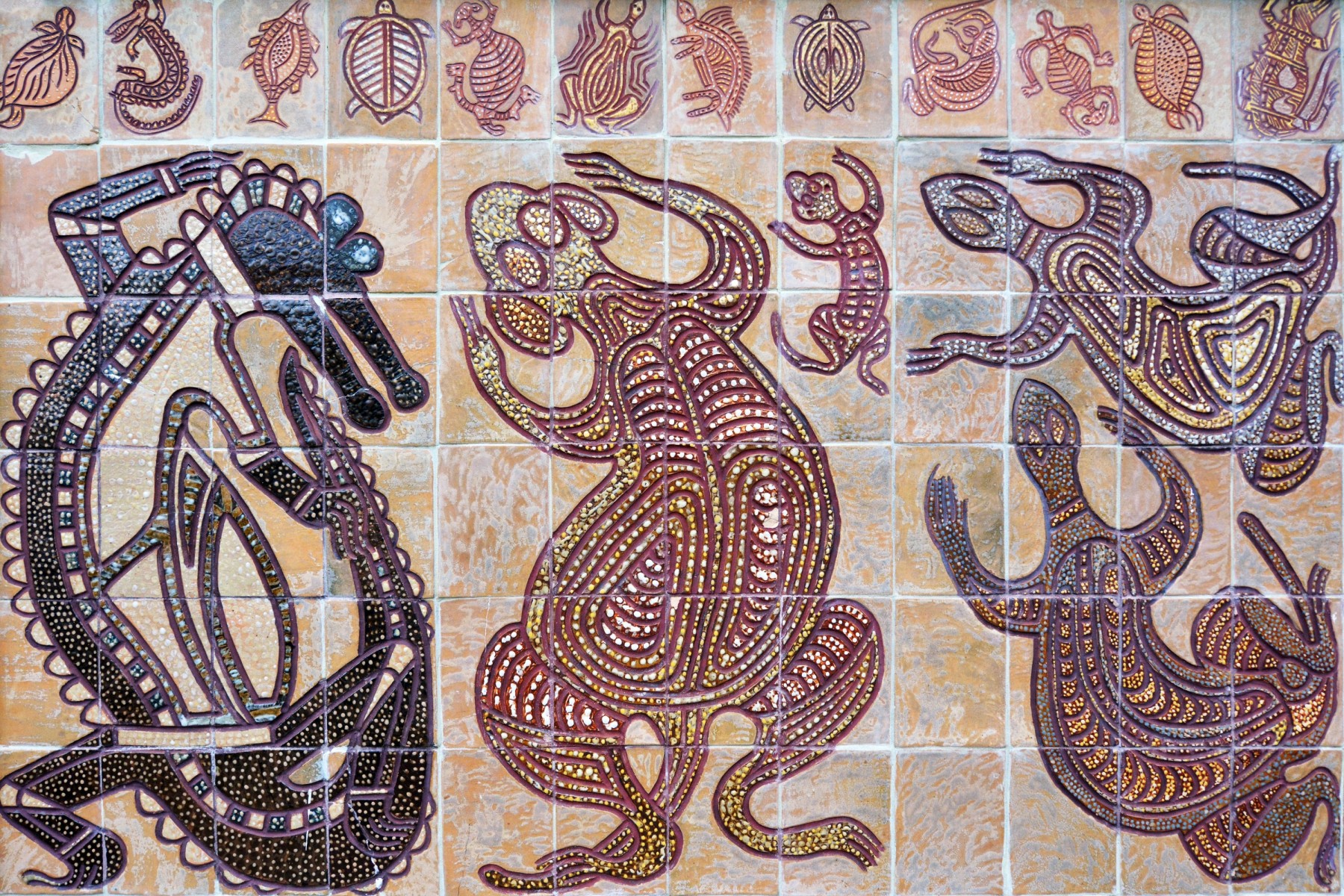
Indigenous and Aboriginal art is centred around storytelling. Covering a wide range of mediums and styles, each piece is deeply meaningful often with connections to land, ancestry and spirit.
Some of the types of aboriginal art includes:
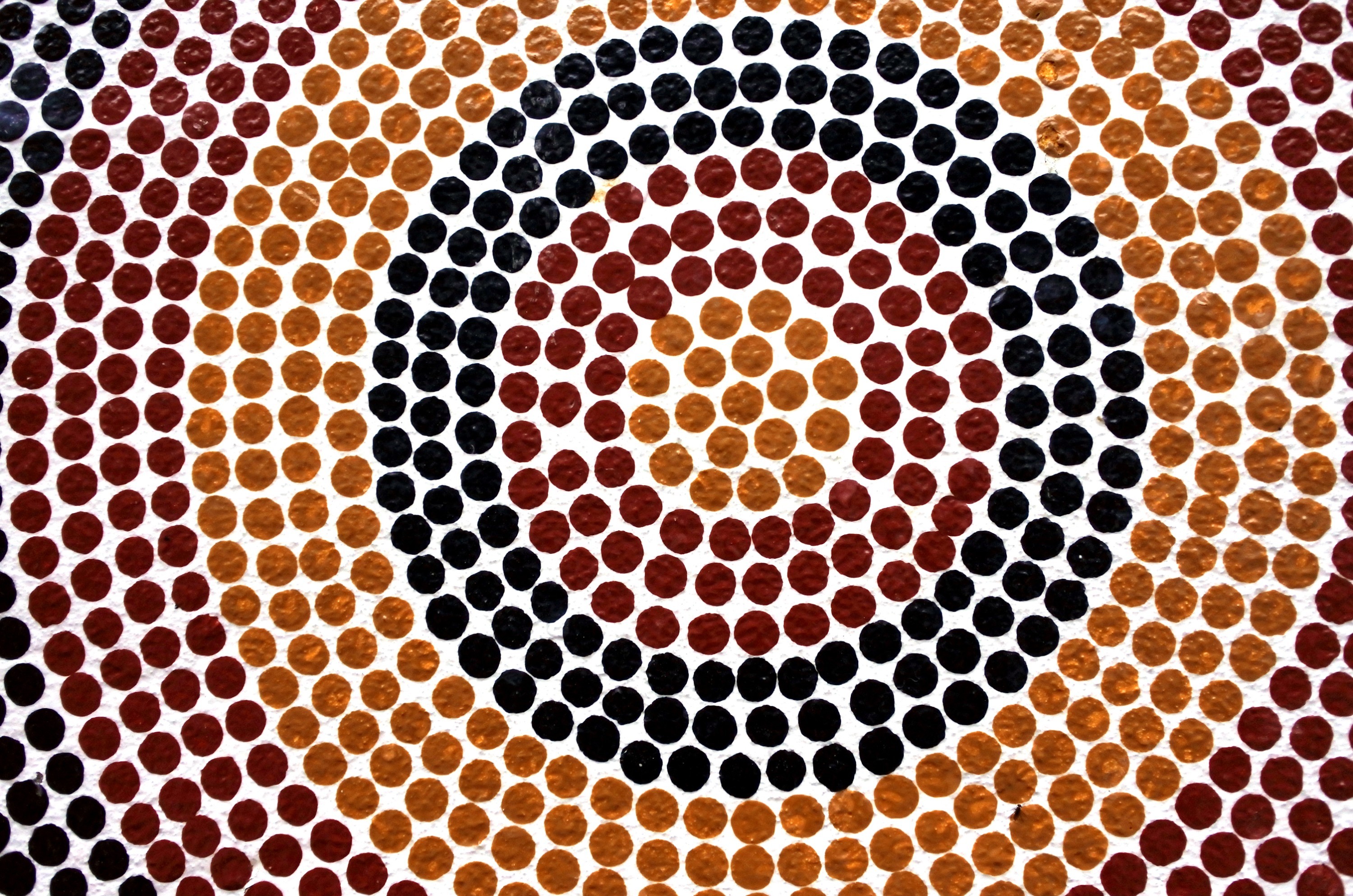
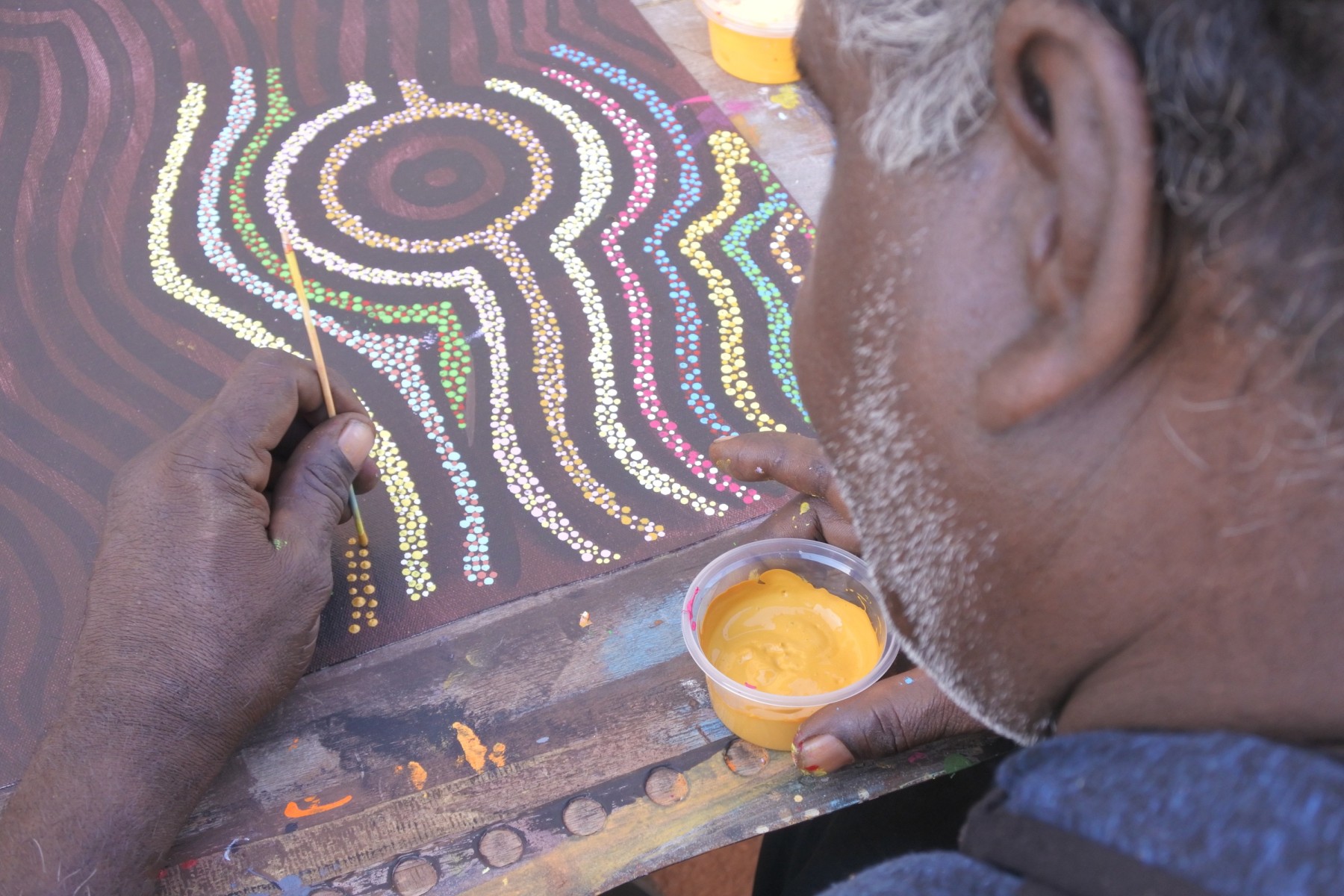
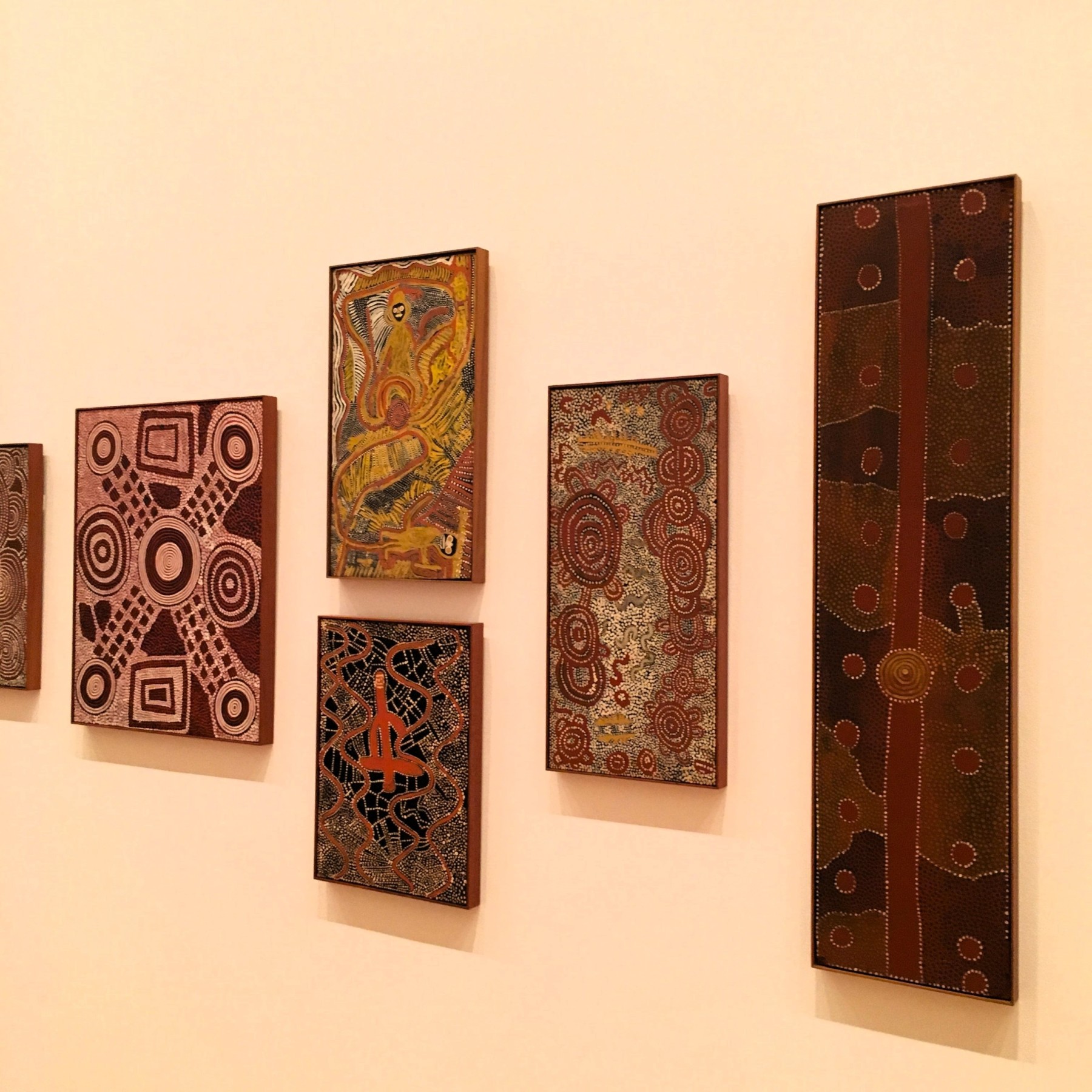
1. Dot paintings: Made up of intricate patterns made with dots. These paintings often represent Dreamtime stories and spiritual connections to land or ‘country’.
2. Bark paintings: Natural pigments are used on tree bark to depict ancestral stories. These paintings are often used in traditional indigenous ceremonies.
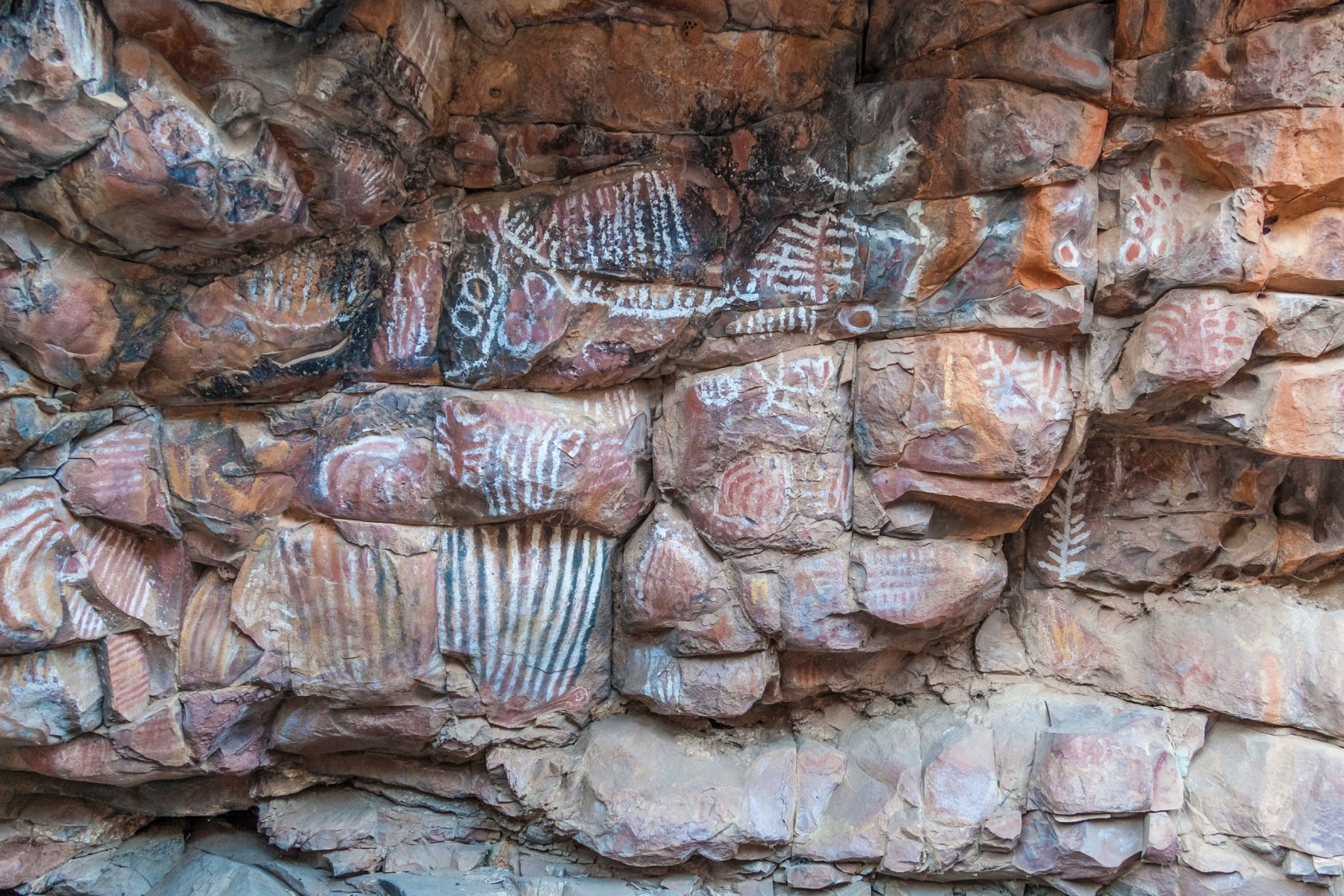
3. Rock art: This is one of the oldest forms of Aboriginal art. The first paintings on caves and rock surfaces date back tens of thousands of years.
4. Weaving and textiles: Indigenous people use traditional techniques to make baskets, clothing, mats and other items. These pieces often feature Aboriginal symbols.
Aboriginal art history - a brief overview
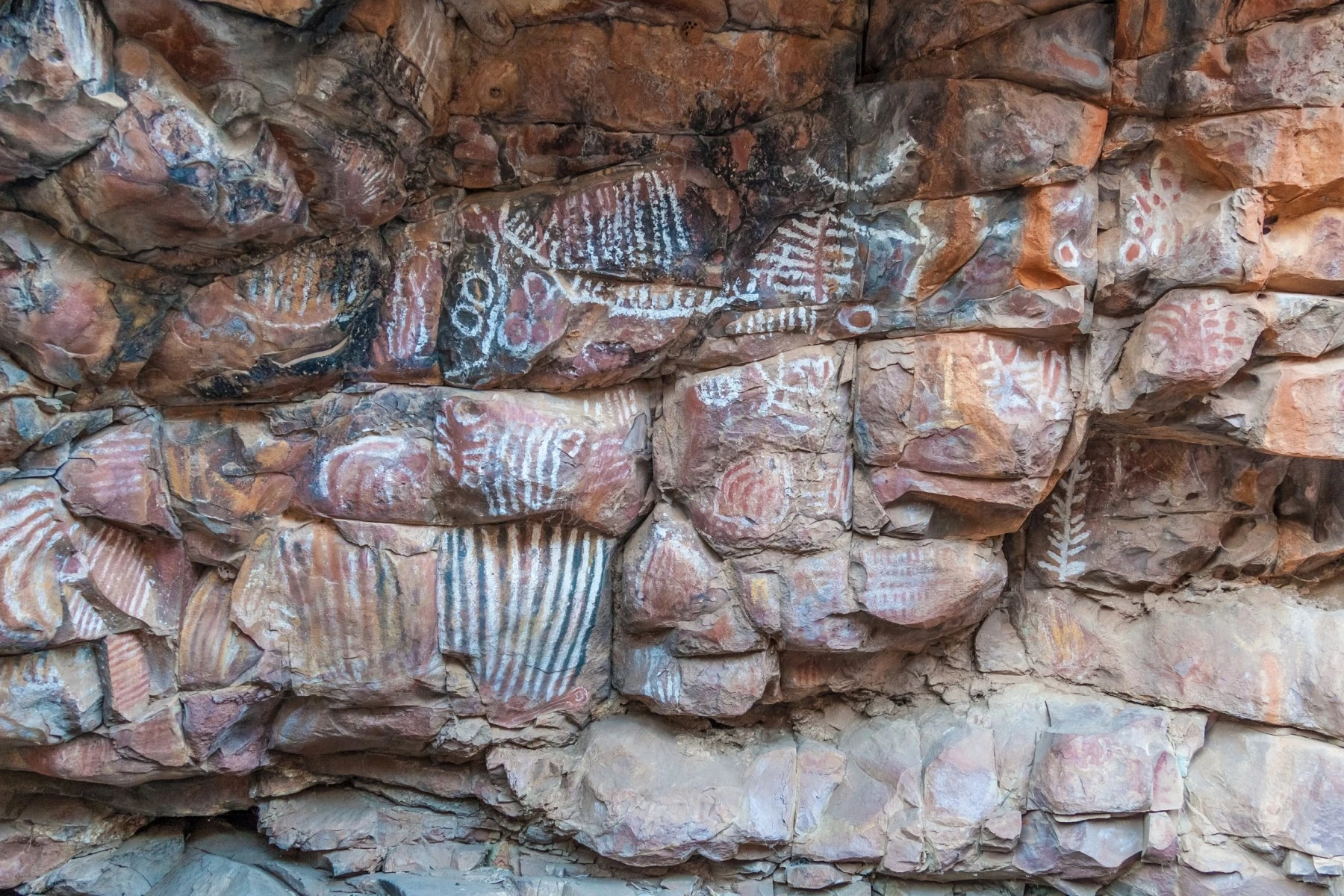
The earliest carbon-dated Aboriginal artwork is a charcoal painting on a rock in the Northern Territory which dates back 28,000 years.
There are many other paintings thought to be much older that depict events such as the arrival of ships from Europe, Australian wildlife, and Dreamtime stories.
While the roots of Aboriginal art run deep, the majority of works have only really emerged into the public space over the last 120 years. In the early days of colonisation, indigenous artworks were deemed inferior and were labelled as artefacts rather than works with artistic merit.
In the early 20th century a major art exhibition titled ‘Australian Art’ was held featuring a number of Aboriginal art pieces. The exhibition travelled through America and Canada over a period of 4 years. This was a pivotal moment for the appreciation of Aboriginal art.
In later years, as mining became more of a threat to indigenous land, Aboriginal art was used as a way of evidence to connection to the land and as part of claims for native title. In fact, in 1996 an 8 by 10 metre Ngurrara canvas was made by senior traditional owners of the Great Sandy Desert with this very intention.
Today, Aboriginal art acts as a window into the culture and community of Aboriginal and indigenous people of Australia.
Aboriginal art symbols
Each symbol used within Aboriginal art has its own unique meaning - often tied to ancestry or spiritual beliefs. Understanding these symbols is key to appreciating Aboriginal art in its fullest.
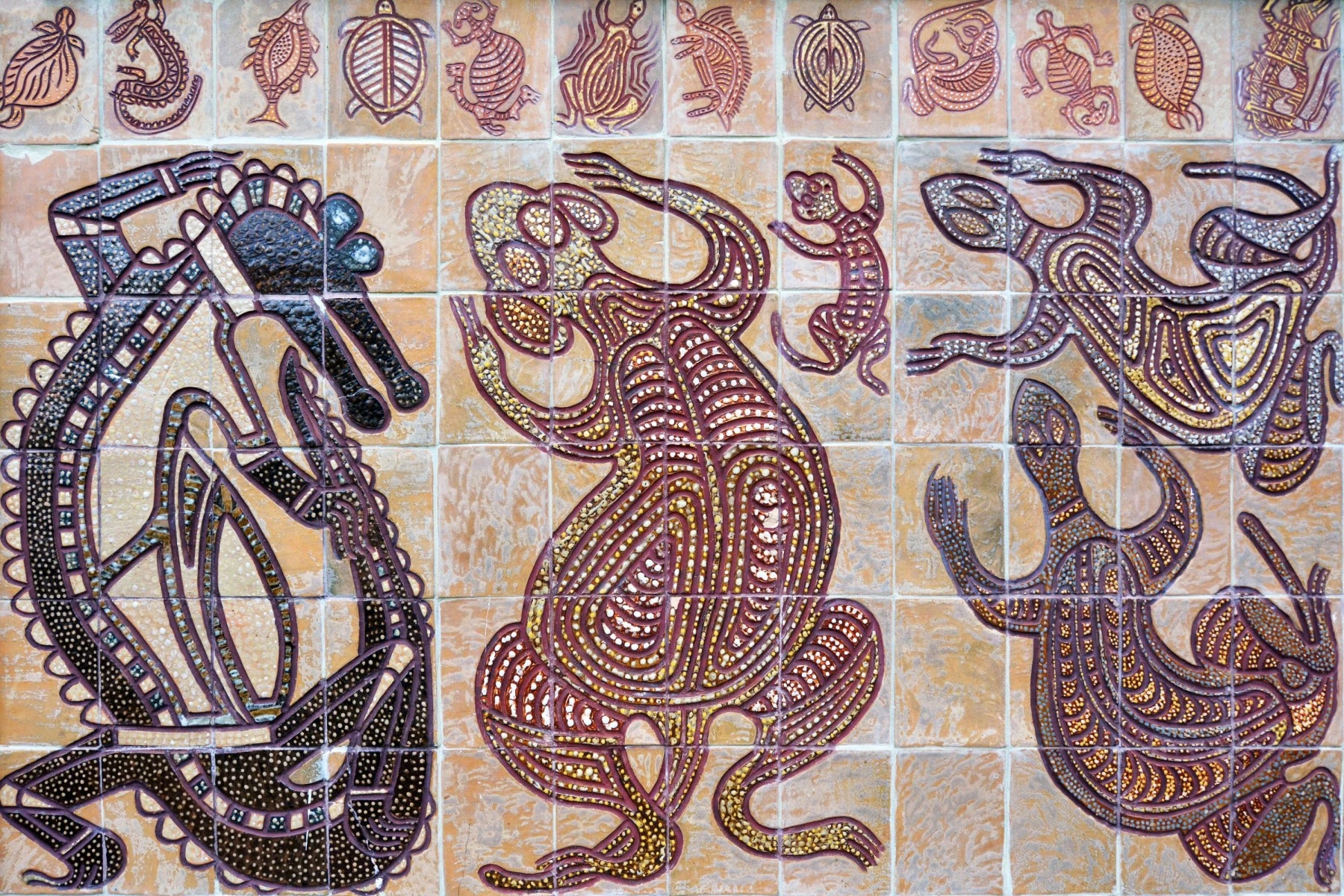
Common Aboriginal symbols and meanings
U shaped symbol: A person. This is because it represents the imprint a person leaves in the sand when sitting cross legged U shape with a curved or straight line to the side: A man. The line represents the man’s spear or boomerang.
U shape symbol with an oval shape and straight line next to it: Woman. The oval and line represents a woman’s coolamon bowl and digging stick.
A circle or set of concentric circles: A meeting place such as a fireplace, campsite, waterhole or ceremonial site.
Parallel lines linking circles: Symbolise the journey or route people take to get from one place to another.
A group of small circles: Bush food
What is original and ethical Aboriginal art?
Choosing a piece of Aboriginal art is about more than just finding a canvas to fill up some wall space. An ethical piece of Aboriginal art is sold and marketed in a way that gives Indigenous artists a 'fair go'.
This means:
-
The artwork has paperwork or ‘certificate of provenance and authenticity’ defining the origins of the painting and who facilitated its creation.
-
There is proof of fair payment to the artist.
-
The selling and marketing of the art should respect indigenous artists’ cultural practices and rights.
How to buy indigenous art ethically
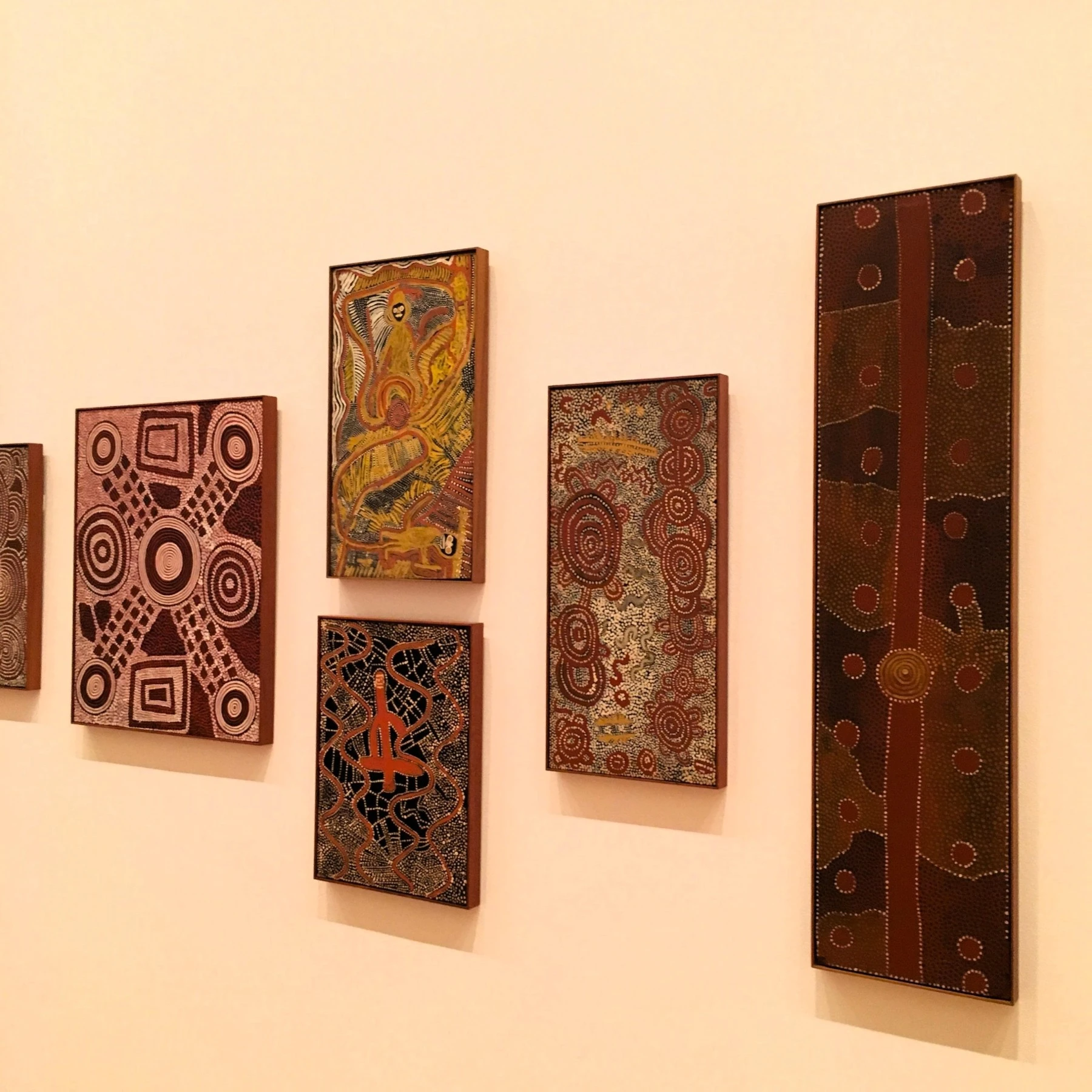
The best way to buy indigenous art ethically is to purchase directly from the artist or from reputable galleries that prioritise ethical practices. This means it’s important to do a little bit of research before you buy, so you can fully understand the artist and their cultural backgrounds.
Understanding the stories and meanings behind artwork also acts to enrich the experience and fosters a deeper connection to the work and its people.
Moving artwork and other belongings to a new home?
If you’re the proud owner of one, or several, pieces of authentic and ethical Aboriginal artworks and need to get them safely to your new home, Upmove can help.
We connect you with reliable, reputable, affordable moving companies from across Australia who can ensure your priceless pieces get from A to B safely and securely.